
Crypto investing has come a long way over the years. It was once dominated by individual tokens like Bitcoin, as well as a few speculative altcoins like Ethereum and Ripple. Today, the crypto landscape is shifting toward a more diversified and mature market. One of the latest innovations to catch on in the market is the crypto blue-chip ETF, a kind of fund that offers exposure to a basket of established digital assets through the traditional ETF investment structure.
This fusion of traditional finance and crypto enables investors to gain exposure to the most entrenched cryptos without having to directly hold them. Experts argue that tools like these ETFs have been some of the greatest driving factors behind the crypto market’s recent explosion of growth.
Key Takeaways
- A crypto blue chip ETF typically invests in or tracks the performance of major, established cryptocurrencies like Bitcoin and Ethereum.
- These cryptos are considered “blue chips” for their large market caps and relative stability, and ETFs provide diversification without the need to buy and manage individual tokens directly.
- Crypto blue chip ETFs are regulated, making them accessible through traditional brokerage accounts and suitable for institutional investors.
What Makes Crypto “Blue Chip”?
In the traditional stock market, “blue chip” companies have a long-standing reputation for quality, reliability, and the ability to operate profitably at different times (bad and good). The phrase comes from poker, where blue chips are often the most valuable. If we translate this to the crypto world, blue-chip cryptocurrencies are established cryptocurrencies that typically have:
- High market capitalization
- Strong adoption and utility (widely accepted across exchanges, DeFi platforms, and institutional portfolios)
- Resilience in market cycles: They recover from downturns faster than other tokens
- Established security
Examples of blue-chip cryptocurrencies include Bitcoin (BTC), Ethereum (ETH), Binance Coin (BNB), Ripple (XRP), and Solana (SOL).
What Is a Crypto Blue Chip ETF?
An Exchange-Traded Fund (ETF) is a financial product that holds a collection of assets, such as stocks or bonds, and trades on stock exchanges.
That being said, a crypto blue-chip ETF focuses on established cryptocurrencies. It allows investors to gain more exposure to a diversified portfolio of top digital assets, without having to manage individual tokens.
The History of Crypto Blue Chip ETFs
The journey toward crypto ETFs for even the most established coins has been filled with regulatory challenges. For years, the SEC rejected dozens of ETF proposals for Bitcoin, Ethereum, and other coins. The crypto markets were seen as too volatile and easy to manipulate, not to mention too loosely regulated.
Between 2013 and 2022, big players like Grayscale, VanEck, and WisdomTree all had their applications turned down. Each time, the SEC raised concerns about investor protection.
Everything changed in January 2024, when the SEC approved the creation and trading of 11 spot Bitcoin ETFs, marking a significant milestone for these products. This created a path for other crypto-focused ETFs, including the ones targeting Ethereum and other major cryptocurrencies.
Why Investors Are Excited About These ETFs
Crypto investors have shown great excitement about crypto blue-chip ETFs for several reasons, including:
- Diversification: This is a chance for investors to gain exposure to many top cryptocurrencies, reducing the risks that come with holding a single asset.
- Regulated environment: ETFs are subject to regulatory oversight, which creates an extra layer of security.
- Accessibility: Crypto ETFs can be bought through traditional brokerage accounts, which makes them more accessible compared to individual crypto assets.
- Institutional adoption: The approval of crypto ETFs by regulatory bodies is a start of a growing acceptance of digital assets.
Examples of Crypto Blue Chip ETFs
Let’s take a look at some of the best crypto blue-chip ETFs on the market :
1. Grayscale Bitcoin Trust (GBTC)
Structure: Spot Bitcoin ETF
YTD performance (2025): +25.7%
Annual fee: 1.5%
AUM: $17.9 billion
Greyscale’s Bitcoin Trust is one of the most well-known crypto investment products on the market. It was officially launched in 2013 as a private trust, giving only accredited investors exposure to Bitcoin without the need to hold or manage the asset directly.
For years, GBTC traded publicly like a closed-end fund and was considered the de facto Bitcoin ETF. That was, until real Bitcoin ETFs came along.
In January 2024, the U.S. Securities and Exchange Commission (SEC) finally approved the conversion of GBTC into a spot Bitcoin ETF. This was a major milestone for the project, because it meant that the fund could now offer daily redemptions and creation of shares. It made it much more accessible and liquid, bringing it in line with traditional ETFs.
The move also helped close the long-standing discount to NAV (net asset value), which was as high as 40% in previous years.
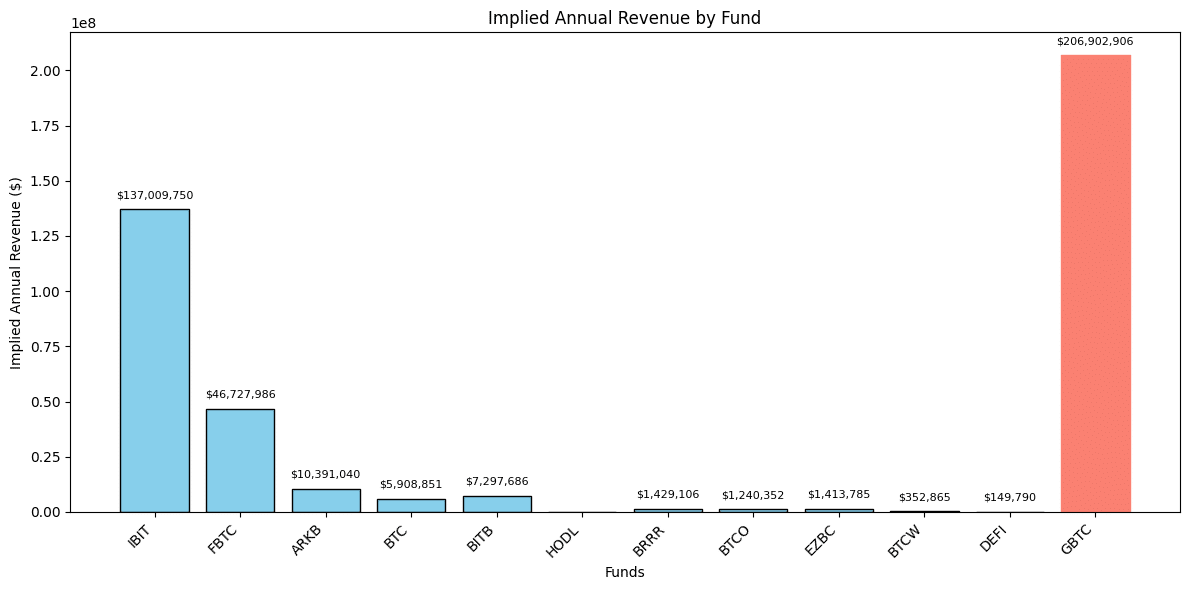
Even though GBTC now has competition from new ETFs like BlackRock’s iShares Bitcoin Trust, it still dominates the market in terms of size. As of mid-2025, GBTC holds over $17.9 billion in assets under management (AUM).
2. ProShares Bitcoin Strategy ETF (BITO)
Structure: Bitcoin futures ETF
YTD performance (2025): +11.8%
Annual fee: around 0.95%
Unlike GBTC, ProShares’ Bitcoin ETF doesn’t hold actual Bitcoin. Instead, it tracks Bitcoin futures contracts traded on the Chicago Mercantile Exchange (CME).
BITO was the first Bitcoin-linked ETF approved by the SEC in September 2021. In a way, it opened the door for crypto ETFs in the United States, but it also highlighted the limitations of a futures-based approach.
BITO suffers from something we call “roll cost.” This is when the price of future contracts you are holding expires, and you have to buy new ones at a higher price. Over time, this can seriously eat into returns.
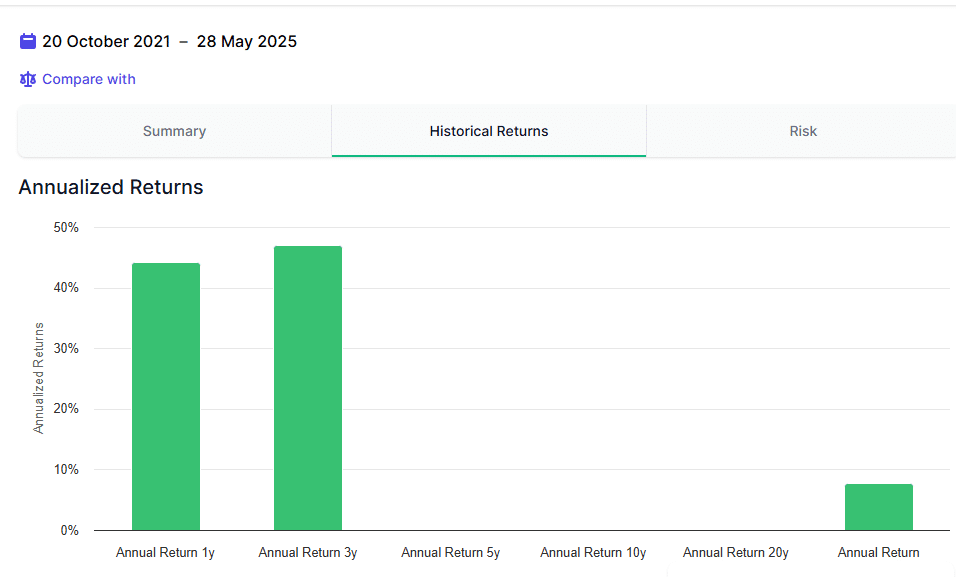
That being said, BITO has had a strong run. In 2023, it gained 137% and in 2024, another 104%. As of 2025, it has cooled off, but it is still up around 7.72% for the year.
BITO is a popular choice among investors who want a more regulated exposure to Bitcoin but aren’t comfortable with spot products or crypto wallets just yet.
3. Truth Social Crypto Blue-Chip ETF (Proposed)
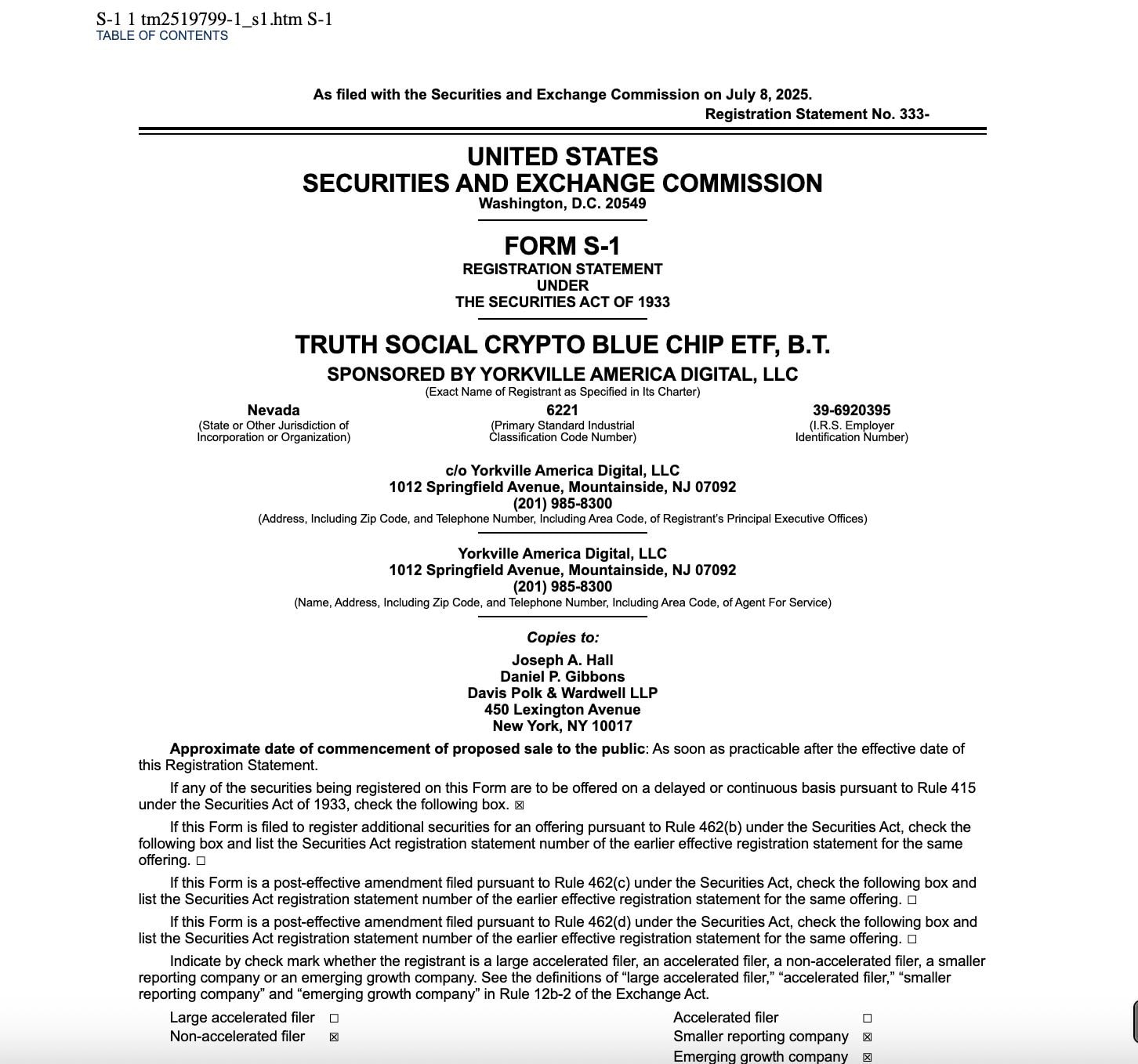
In July 2025, Trump Media & Technology Group filed for a new kind of ETF – a crypto blue-chip fund that would hold a mix of top-tier digital assets. The proposed ETF isn’t on the market just yet, but it has made serious waves. According to the S-1 filing, the fund would allocate:
- 70% to Bitcoin
- 15% to Ethereum
- 8% to Solana
- 5% to Cronos
- 2% to XRP
The Truth Social ETF would be listed on the NYSE Arca (a division of the New York Stock Exchange), while the underlying crypto would be held by Crypto.com. Yorkville America Digital Asset Index will be the fund’s sponsor.
At the time of filing, Bitcoin was trading around $109,000. Ethereum was trading at $2,600. Solana was trading at $151. XRP was trading near $2.30. This mix is intended to offer a kind of balance of long-term stability and growth potential.
The project is still pending SEC approval, but if it gets it (and it’s hard to imagine that it doesn’t), this could be a big step forward for investors who want crypto ETFs.
This move aligns with the pro-crypto sentiment in President Donald Trump’s administration, including passing the GENIUS Act and allowing federal agencies to use crypto as collateral. This is the third ETF filing from TMTG, as they continue to build a suite of crypto investment products. However, there are obvious concerns with potential conflicts of interest, given that the President himself owns a majority stake in the company, and it comes down to his administration’s SEC to approve or deny the proposals.
Risks and Considerations
As appealing as investing in crypto blue-chip ETFs might seem, they are far from risk-free. Even though these ETFs bundle some of the strongest and most popular digital assets and are promoted by major names like President Donald Trump, it all still boils down to investing in crypto.
Volatility
The digital asset market is highly volatile, and this doesn’t exempt the blue-chip cryptocurrencies like Bitcoin and Ethereum. Even these coins can swing 10-20% or more overnight.
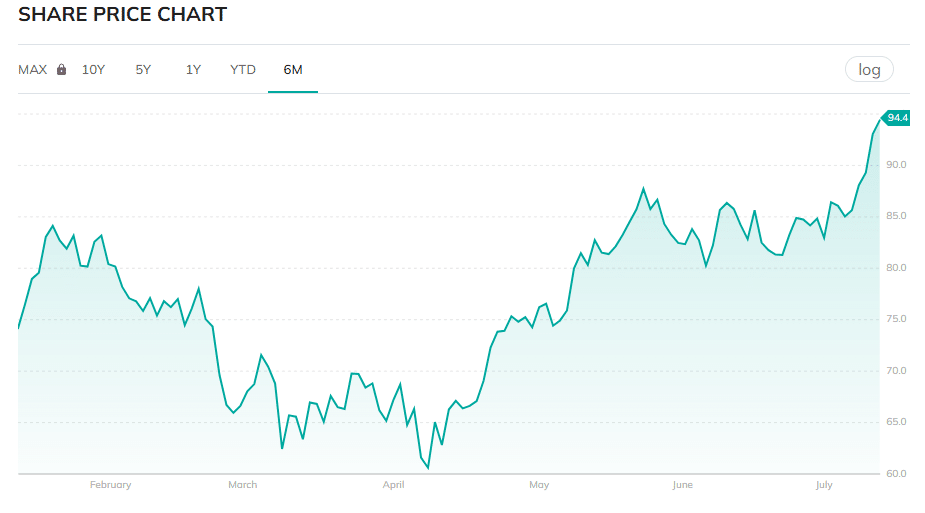
In 2022, for instance, Bitcoin dropped from nearly $69,000 to under $16,000. Ethereum fell by over 70% during the same period. While ETFs might smooth out some of the chaos by offering diversification, they can’t eliminate it. GBTC, for instance, had a maximum historical drawdown of nearly 90% from its all-time high. These ETFs are very risky investments, and that likely won’t change anytime soon.
Futures vs. Spot Tracking Risk
Futures-based ETFs like BITO don’t hold actual crypto. Instead, they hold futures contracts, which come with their own set of risks. These products can underperform the spot market due to roll costs and overtime, which can lead investors to major losses.
Spot ETFs like GBTC or the proposed fund Truth Social ETF are considered more efficient, but this doesn’t make them immune to other problems like slippage or market spread risks.
Regulatory Uncertainty
While the SEC approved spot Bitcoin ETFs, the rest of the crypto market remains under scrutiny. Ethereum’s status as a security remains a subject of debate. Solana and XRP are still struggling with legal battles.
A diversified ETF that holds multiple tokens could run into serious trouble if any of its assets are banned or reclassified from institutional platforms. The current administration is very friendly to the crypto market in terms of regulation, but that may not always be the case.
Custody and Counterparty Risk
Crypto ETFs rely on custodians to store their assets. If a custodian that stores the asset, like Crypto.com in the case of Truth Social, were to experience internal failure or a hack, this would impact shareholders of the ETF.
Fees and Expense Ratios
GBTC charges 1.5% fees, which is a massive premium when compared to newer funds like BlackRock’s IBIT (0.25%). Futures ETFs like BITO have higher management and rollover costs baked into their offers. Finally, some ETFs trade at premiums or discounts to their net asset value. GBTC traded at a 40% discount before it converted to a spot ETF in 2024.
Fees and structure are incredibly important considerations, so you should be very cautious when picking a blue-chip ETF.
Conclusion: The Future of Crypto Blue Chip ETFs
Crypto blue-chip ETFs are still in their early innings, but they are evolving incredibly quickly. The SEC approval of spot Bitcoin ETFs in 2024 opened up many opportunities, and we are already witnessing the first wave of crypto ETF proposals. We can expect many more products to come soon. In fact, major asset managers like Fidelity and Ark Invest are already working on multi-asset crypto ETF concepts.
Now that Ethereum spot ETFs have been approved by the SEC, it is likely that other large-cap tokens will follow. Many investors and institutions are more comfortable allocating their capital through ETFs. As new options come online, the money could spread out across more assets, not just Bitcoin, helping the entire market to grow significantly.
Still, the future depends on regulators. The SEC, CFTC, and global equivalents are still trying to figure out how to classify crypto assets.
FAQ
How is a crypto blue chip ETF different from a regular Bitcoin ETF?
A Bitcoin ETF only tracks Bitcoin. A blue-chip crypto ETF includes multiple assets, so it gives you broader exposure to top-performing cryptocurrencies.
Can I buy these ETFs through a normal brokerage?
Yes. If they are listed on platforms like NYSE Arca or Nasdaq, you can buy them through most stock trading apps, just like other regular ETFs.
Are crypto ETFs safe to invest in?
Crypto ETFs offer more regulatory protection compared to buying crypto directly. Still, they remain risky due to volatility, changing laws, and potential hacks.
Do crypto blue-chip ETFs pay dividends?
Generally, no. Most don't pay dividends because cryptocurrencies don't generate yield like stocks do. However, some ETFs may reinvest staking rewards back into the fund.
What does 'spot' ETF mean in crypto?
A spot ETF holds the actual crypto asset rather than futures contracts. These are preferred by long-term investors because they track the actual market price more closely.
References
- What are Blue Chip Tokens – Kanga Exchange University
- Spot Bitcoin ETF Wins Approval – ETF
- Grayscale Bitcoin Trust in 2025: An Overview for Investors – Clovr
- Why Grayscale’s Bitcoin Trust Still Dominates ETF Revenue in 2025 – CoinTelegraph
- BITOShares Trust – ProShares Bitcoin Strategy ETF – Alphacubator
- Trump Media Plans to Launch a Crypto Blue Chip ETF – Investopedia
- United States SEC Filing for Social Crypto Blue Chip – Twitter post
- GBTC Drops almost 90% in April 2025 – PortfoliosLab