Cold storage wallets remain the safest way to manage cryptocurrencies, with encrypted private keys stored within a hardware device without internet connectivity. This approach makes remote hacking attacks virtually impossible — a crucial factor for those with significant crypto holdings.
While many hardware options exist, D’CENT and Ledger are two leading wallet providers in this niche market, both renowned for their robust security, affordable pricing, and convenient user experience.
This D’CENT Wallet vs Ledger Nano X review examines key comparison factors to help crypto investors make an informed decision. Learn how each cold wallet compares for security, supported blockchains, fees, and other core metrics.
In our view, D’CENT Wallet and Ledger Nano X are both excellent choices for long-term investors with large digital asset portfolios. Their offline storage mechanism and physical transaction approval process help protect users from remote threats like viruses, malware, and phishing attacks. Ledger Nano X remains the industry leader, given its 7 million+ sold devices and global reputation that spans over a decade. Via its Ledger Live software, the wallet also makes it convenient to buy and sell cryptocurrencies with traditional payment methods, and swap tokens without leaving the application interface. However, D’CENT wins in the security department — users must provide biometrics (e.g., fingerprint ID) and a custom PIN to approve wallet movements, whether that’s outgoing transfers or third-party connections. D’CENT is also a better fit for accessing Web 3.0 markets, as the native app offers a dApp browser and WalletConnect. Our D’CENT Wallet vs Ledger Nano X Findings — Key Takeaways
D’CENT Wallet
Ledger Nano X
Web 3.0 Access
WalletConnect or dApp browser
None — only possible when connecting to a third-party software wallet
NFT Compatibility
Several NFT standards include Ethereum and Polygon
Yes, Ethereum only, unless using third-party wallets
Software Applications
iOS and Android app
iOS and Android apps, Windows, Mac, and Linux desktop software
Bluetooth Support
Yes, Bluetooth 4.1
Yes, Bluetooth 5.0
Built-in Fiat Purchases and Swaps
Fiat on-ramp gateways and third-party token swaps
Fiat on-ramp gateways and third-party token swaps
Device Price
$139
$149
Supported Cryptocurrencies
4,600+
5,000+
Custom Tokens
Yes
Yes
Transaction Authorization
Biometrics and PIN
PIN
D’CENT Wallet vs Ledger Nano X: An Overview
Let’s start with a summary of how each hardware wallet works.
What is D’CENT Wallet?
D‘CENT Wallet is a South Korean wallet manufacturer that was founded in 2017. Its primary cold storage device offers robust security for crypto investors with large investment holdings.
Costing $139, the wallet stores encrypted keys offline within a physical device. Users must provide two physical approvals to authorize transactions: a custom 4-8 digit PIN and fingerprint biometrics.
In addition to a standard 24-word backup passphrase, the hardware device lets users choose a 25th word for enhanced safety, creating an entirely new set of private keys.
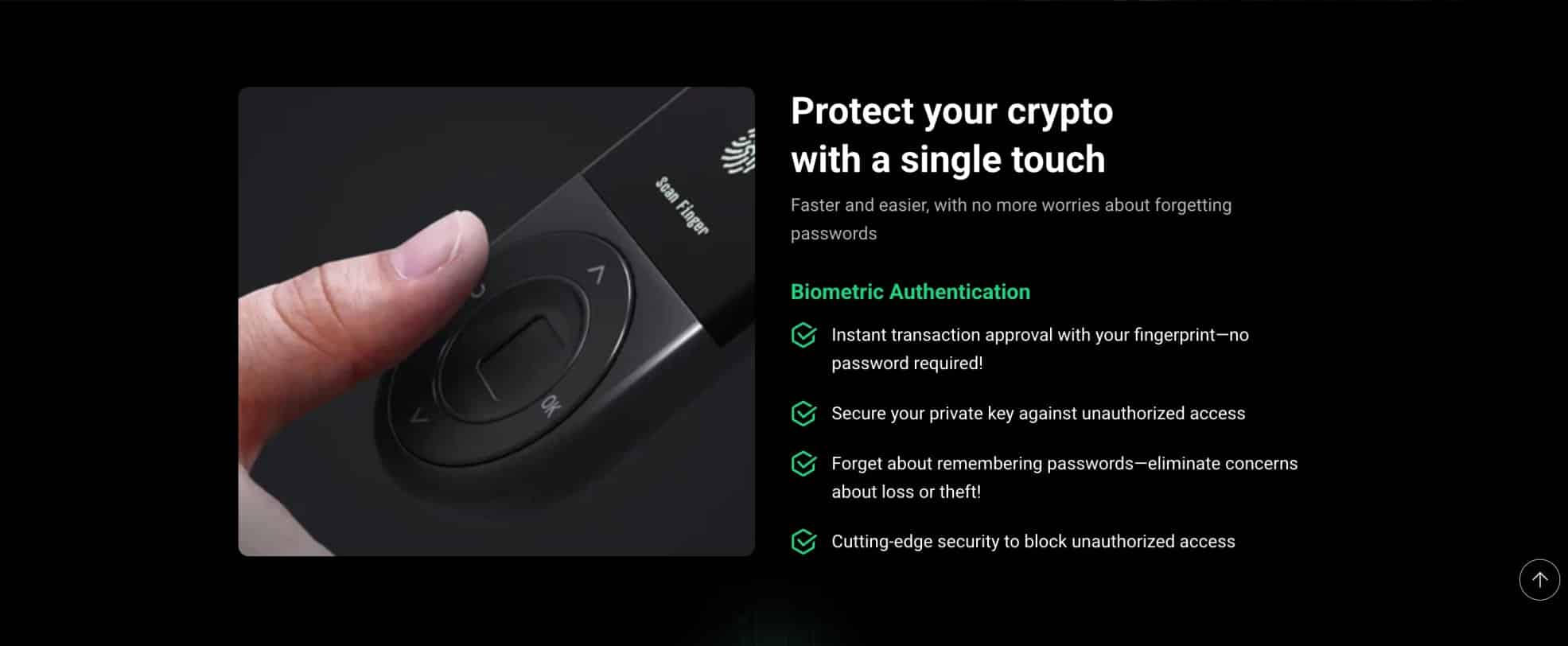
D’CENT Wallet offers a native mobile app that connects to the device via Bluetooth 4.1. It’s used for setting up transactions, connecting to Web 3.0 dApps, and evaluating portfolio values. There is no desktop software, so the wallet suits smartphone users only.
Investors can store the best cryptocurrencies in D’CENT, from Bitcoin, Cardano, and BNB to XRP, Solana, and Bitcoin Cash. Custom tokens can be added via the iOS and Android apps, with D’CENT supporting 84 blockchain and network standards.
Casual investors seeking cold storage solutions on a budget may prefer the D’CENT Card Wallet. At just $38, the credit card-sized device is the most affordable cold wallet on the market. Users initiate wallet movements on the D’CENT app and approve them by tapping the card on their connected smartphone. To ensure safety, no internet connection is required — the wallet uses NFC technology, which most modern smartphones offer. D’CENT Card Wallet (Cheap Alternative)
What is Ledger Nano X?
Ledger is one of the best hardware wallet providers, with millions of devices sold since its 2014 inception. Based in France, the cold storage manufacturer offers four device types, including Flex, Stax, Nano S Plus, and Nano X. Each has varying features and price points, but Nano X strikes the perfect balance between security, accessibility, and affordability.
The device provides similar security features to D’CENT, including built-in private keys that remain offline, Bluetooth connectivity, physical PIN approval, and a custom 25th word for enhanced passphrase protection.
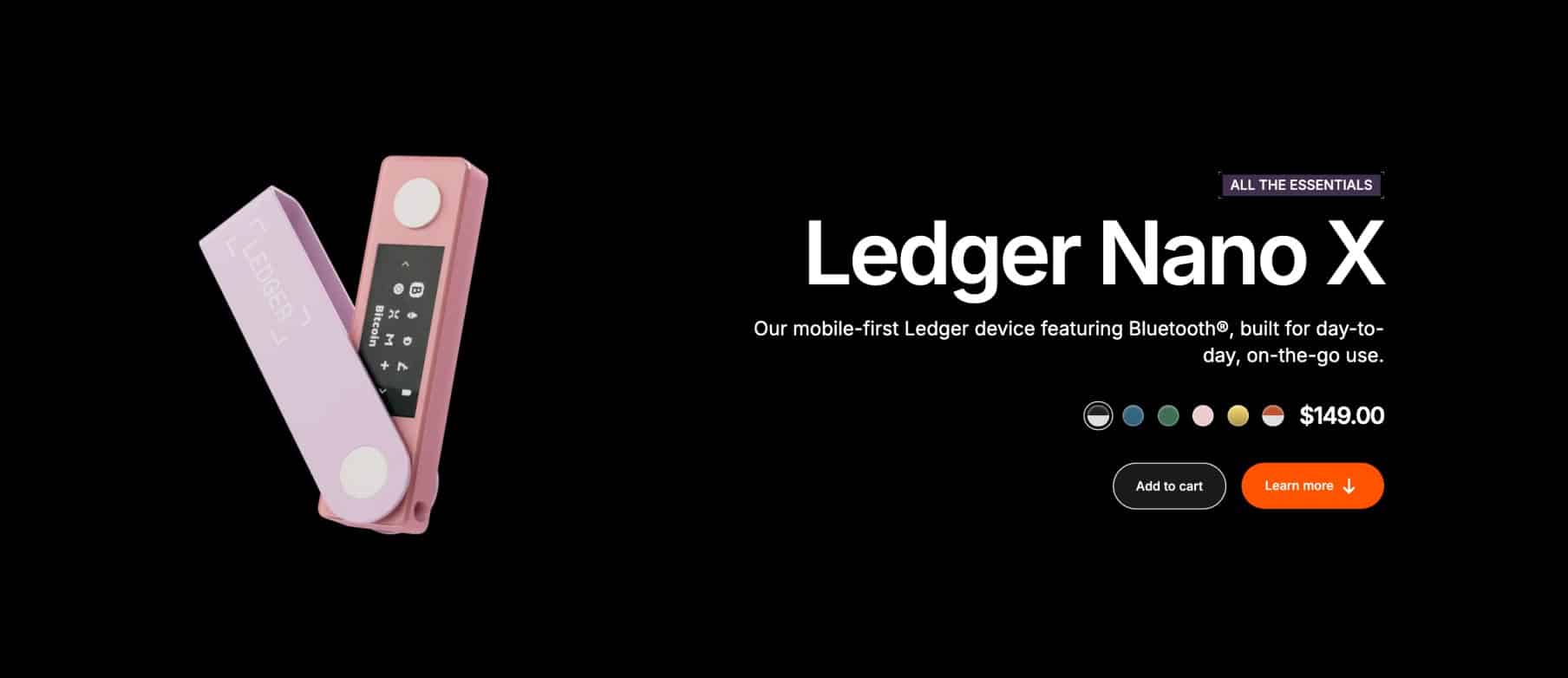
Ledger Nano X supports thousands of digital assets, and users can add custom tokens easily. Ledger Live, the wallet’s proprietary application, comes as a mobile app for iOS and Android, plus desktop software for Windows, Mac, and Linux. The application supports fiat gateways, token swaps, and staking, yet lacks WalletConnect or a dApp browser.
Supported Coins and Tokens
When making a D’CENT Wallet vs Ledger Nano X comparison, both wallets offer wide asset support across the most popular blockchains.
In addition to Bitcoin, investors can store thousands of altcoins, including Layer 1 cryptocurrencies like Cardano, Solana, and Dogecoin. Users can add any secondary assets to compatible blockchains, including millions of ERC-20 and BEP-20 tokens.
The wallets are also good choices for storing stablecoins like USDT, DAI, and USDC, as well as tokens from popular Layer 2 ecosystems such as Stacks, Polygon, and Arbitrum.
Web3 and NFTs
As one of the fastest-growing industries, Web 3.0 accessibility is a core factor when exploring D’cent vs Ledger. Our research shows these providers offer a vastly different experience.
When using the D’CENT app, users can connect to Web 3.0 dApps via WalletConnect. This feature lets users connect to over 67,000 protocols, from Ethereum staking pools and BNB Chain games to Solana exchanges. For the best experience, navigate the dApp on a desktop device by scanning its QR code from the D’CENT app.
Those without a desktop device may use a built-in browser by entering the dApp URL. Both solutions require approval on the D’CENT device to maximize security.
Ledger Nano X provides a sub-par Web 3.0 experience. Neither WalletConnect nor dApp browsers are supported, so users must connect their device to a third-party software wallet. Although the process is safe, it is inconvenient, as two separate wallets must be managed.
Both hardware wallets support NFTs, yet Ledger is compatible only with Ethereum and Polygon (unless connecting to a third-party wallet). D’CENT works with a larger selection of NFT standards, including Ethereum, Solana, Base, Arbitrum, Optimism, and Avalanche.
Pricing
All hardware wallets cost money, unlike software wallets, which are almost always free to use. You’re paying for a physical device with unprecedented safety features — a price worth paying when storing digital assets with consequential value or long-term importance.
So how do prices compare when making a D’CENT Wallet vs Ledger Nano X comparison?
Both wallet providers have fair price tags. D’CENT costs $139, and Ledger Nano X retails for just $10 more at $149. Shipping fees may apply depending on where you live — these charges show at the checkout area. Another potential cost is import taxes depending on the shipment country, and whether it has trade agreements with South Korea (D’CENT) or France (Ledger).
D’CENT and Ledger support third-party features like fiat on-ramp services and token swaps. Prices depend on the gateway provider or partnered exchange, and they’re usually built into the final quote. Expect to pay around 3-5% for credit card purchases, and a much smaller markup when trading crypto tokens.
Customer Experiences — Are D’CENT and Ledger Nano X User-Friendly?
The hardware wallets are slim and compact. D’CENT and Ledger Nano X weigh 36g and 34g, respectively. The devices are easy to transport, allowing crypto investors to carry their wallets when travelling. Their small design is also ideal for secure and private storage — key safeguards when managing cold wallets with high-value balances.
D’CENT’s device has a bigger OLED screen and offers four navigation buttons for seamless functionality. Ledger Nano X has just two buttons and a smaller screen size, making it slightly more cumbersome to review transactions.
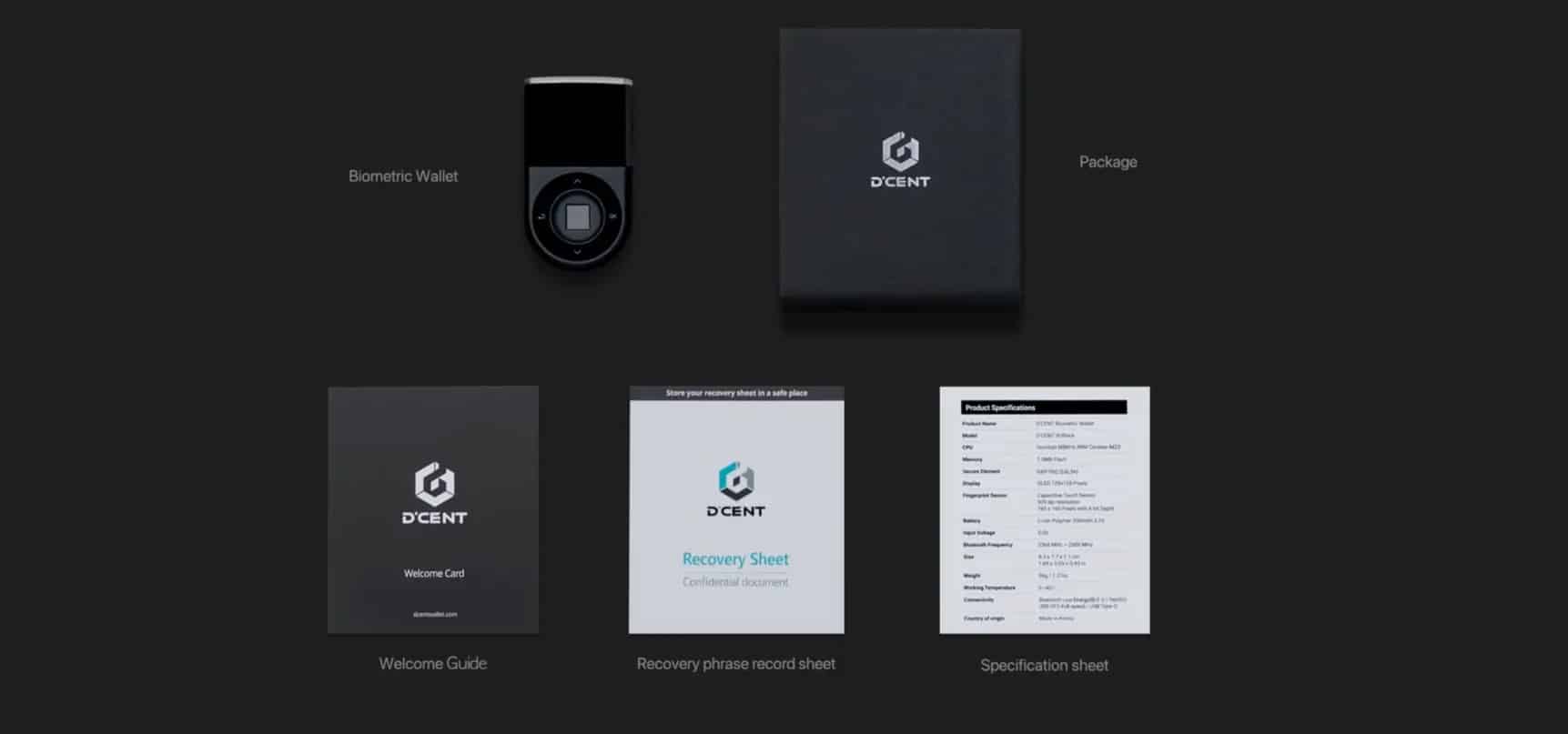
The learning curve is minimal for D’CENT and Ledger, with both wallet companies building their devices with beginners in mind. After receiving the device, users connect it to the provider’s native application via Bluetooth. Ledger also supports USB-C connections with the included cable. Both options ensure an offline experience at all times, protecting users from online threats.
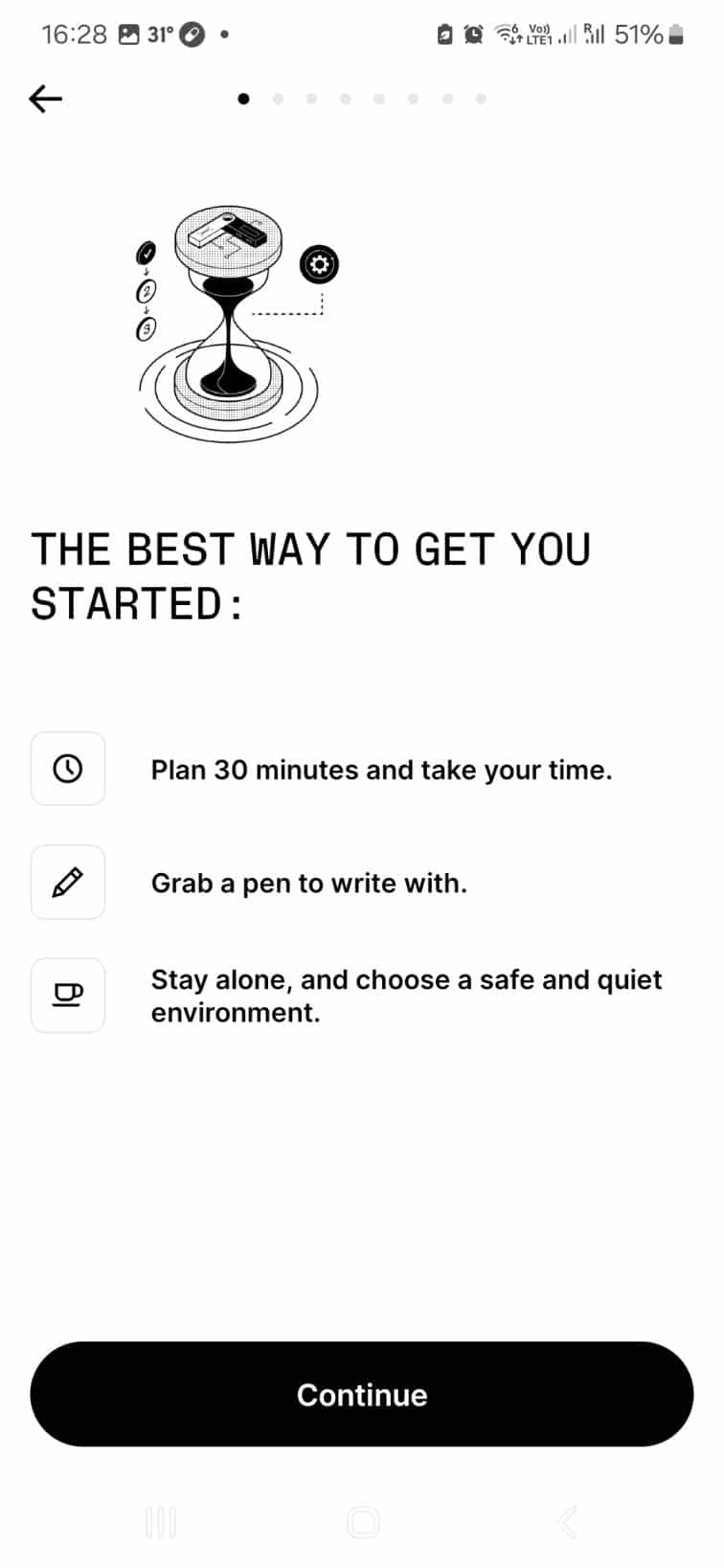
The D’CENT app, as well as Ledger Live for iOS, Android, Windows, Mac, and Linux, guides customers through the setup process. Each step clearly explains how to pair the device, secure the backup passphrase, and choose a security PIN.
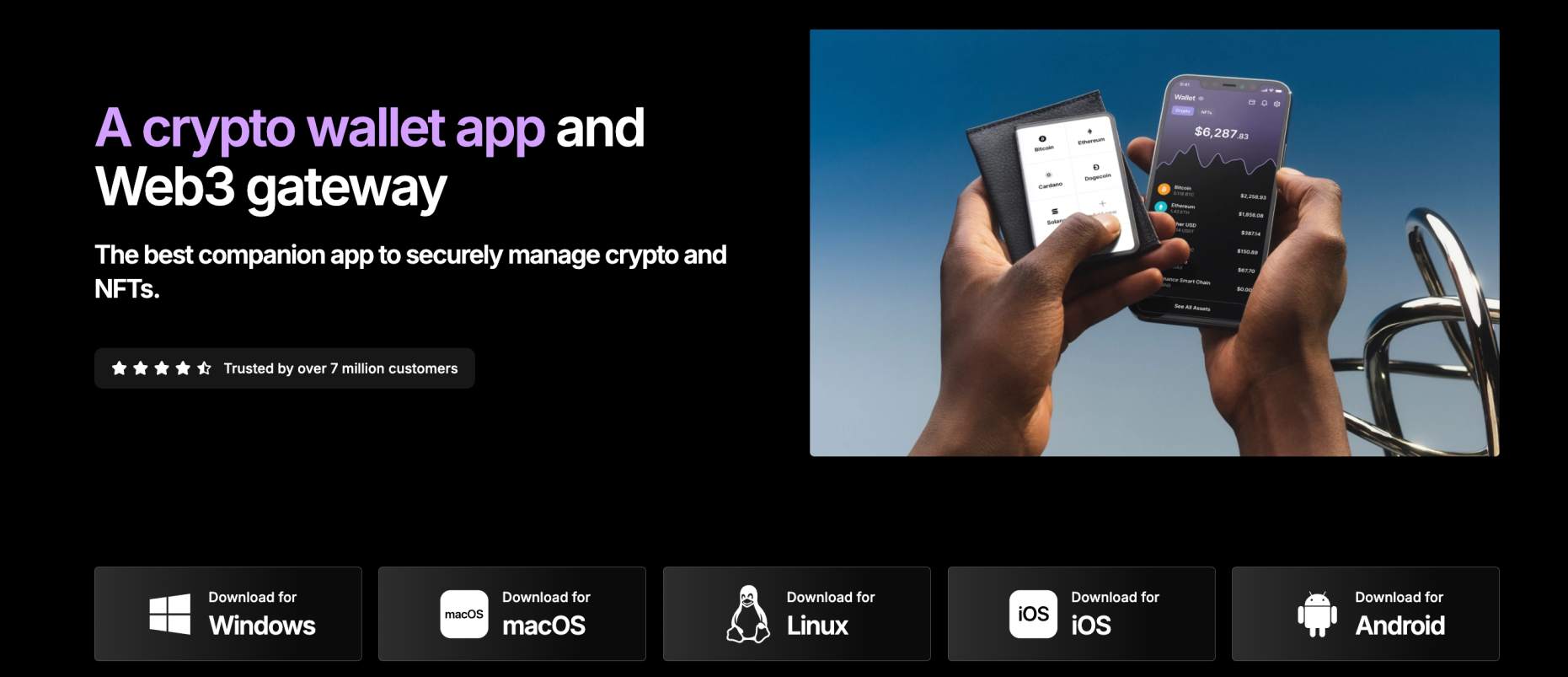
In terms of transacting, both hardware devices require users to set up transfers via the native applications. D’CENT Wallet has a two-step authorization process — you enter the PIN and provide fingerprint biometrics on the physical device. Ledger Nano X uses the same transaction setup but without biometrics.
D’CENT and Ledger’s security-first framework make their cold storage solutions unsuitable for day-to-day use. Traders cannot buy or sell cryptocurrencies without the paired hardware device. A common workaround is keeping an inconsequential amount of assets in a software wallet for daily usage — an ideal solution for investing in the best crypto presales or using DeFi protocols.
D’CENT and Ledger Live Mobile Apps
D’CENT users transact only with the iOS or Android app. While Ledger Live also supports these mobile operating systems, users can transact via native desktop software. We tested all available versions and found that the user experience suits most investor profiles, including first-time investors.
Transfer setups work the same as any other wallet — users select the coin and network, and provide the destination wallet address. Both mobile apps have a built-in camera function that scans wallet QR codes, eliminating potential mistakes. Receiving cryptocurrencies is also straightforward, as supported network standards offer unique deposit addresses.
The apps display third-party tools and features via simple icons, making them easy to navigate. For instance, the Ledger Live app has a basic swapping tool where users state the conversion assets and amounts. It shows the quoted exchange, and once confirmed, smart contracts execute the swap in seconds.
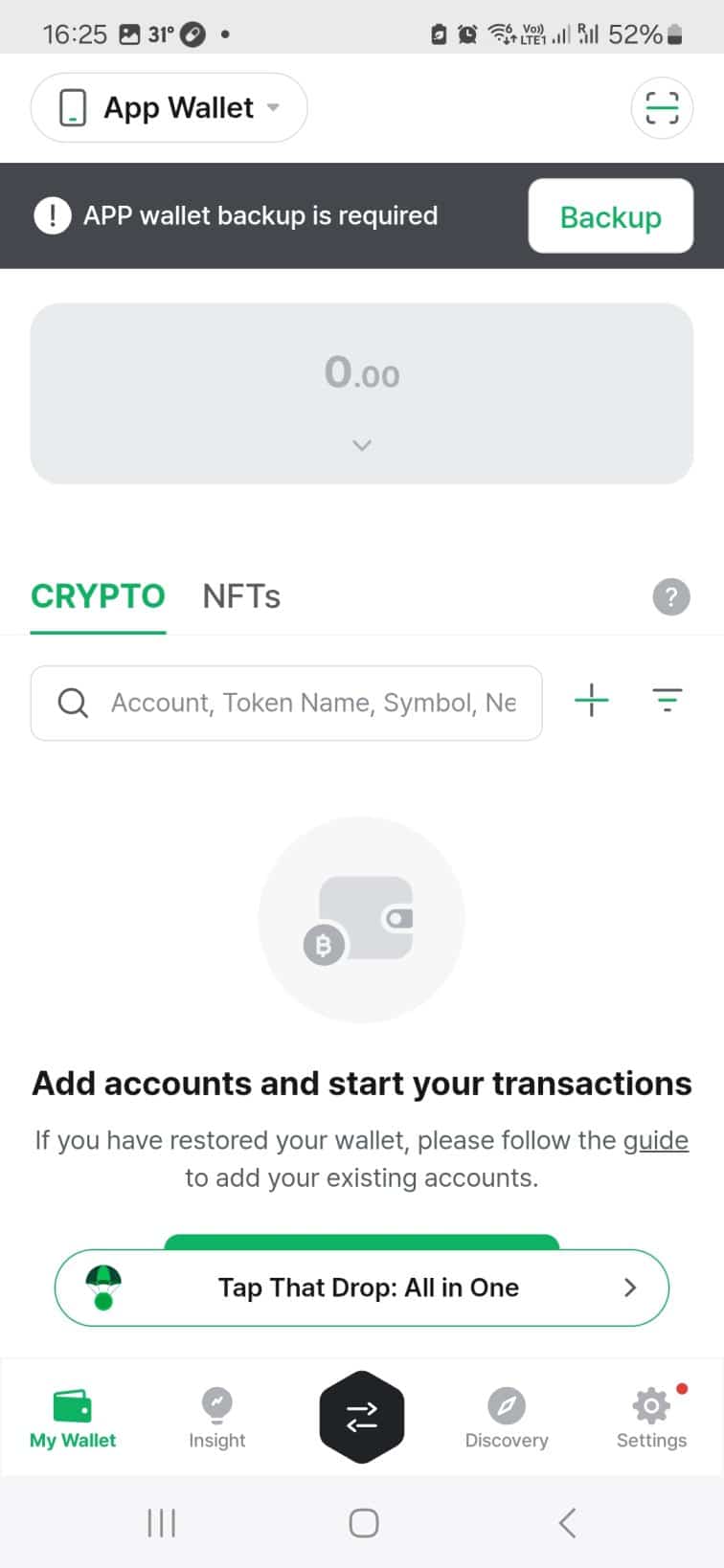
We also rate the D’CENT app for its market analytics. It partners with CoinMarketCap for real-time market data, including trending cryptocurrencies and price performance. This feature helps users track their investments while on the move.
Comparing Ledger Nano X vs D’CENT Features
Regarding features, security experts rate D’CENT’s firmware update procedure. The end-to-end process uses over-the-air (OTA) technologies via Bluetooth 4.1. This safeguard ensures the upgrade occurs on the user’s smartphone, yet transfers to their hardware device without internet exposure.
Another top feature is the built-in WalletConnect scanner. It enables D’CENT users to engage with dApps on a desktop browser while still approving wallet movements on the hardware device. This tool provides the ideal balance between convenience and security, especially when trading penny cryptocurrencies on decentralized exchanges like Raydium and PancakeSwap.
Ledger appeals to beginners who want to buy Bitcoin and other assets with local payment methods in a cold storage environment. The Ledger Live application supports instant purchases with Visa, MasterCard, and e-wallets, and the assets appear in the wallet balance automatically. Ledger’s support for desktop software is also notable, as D’CENT provides a mobile-only experience. It’s compatible with all major operating systems, including Windows, Mac, and Linux.
DeFi investors also like Ledger’s yield services, including staking tools for Tezos, Polkadot, Ethereum, and Tron. Cold wallet staking offers a passive investing experience without relying on centralized exchanges.
D’CENT Wallet
Ledger Nano X
Upgraded Firmware
Over-the-air exclusively via Bluetooth 4.1
Often requires a USB-C cable due to poor Bluetooth connectivity
WalletConnect
Yes, with a built-in QR scanner
No
Staking Services
Yes, but supports a limited range of PoS coins
Yes, competitive yields across the most popular PoS coins
Buy Crypto With Fiat
Yes, but partners with fewer gateways
Yes, more convenient and a wider selection of gateways and currencies
Secondary Tokens
Yes
Yes
Customer Support
Ledger edges D’CENT for customer service. It offers a 24/7 live chat feature on its website, and, while users initially connect with a bot, requesting a live agent three times eventually connects them with a human. Our research shows that waiting times vary widely — you could speak with a Ledger agent in minutes, or have to wait several hours during busy periods.
Despite its excellent reviews with existing customers, D’CENT’s support network is limited. Two options exist: sending an email or calling a South Korean telephone number. Customer service only operates during business hours, too.
As explained by D’CENT, scammers implement various methods to impersonate the customer support team. Googling “D’CENT customer support”, for instance, shows various websites with fake telephone numbers and emails. This practice is also rife on social media. Our advice is to obtain contact details from the D’CENT website, ensuring you’re visiting the official URL. Under no circumstances will real support agents ask for your 24-word passphrase. If they do, you are speaking with scammers. Fraud Warning
Security and Safety
This D’CENT Wallet vs Ledger Nano X review shows that both manufacturers offer unparalleled security systems.
You’re investing in cold wallet storage, which means your private keys remain unexposed to online threats. Hackers cannot access the wallet with viruses or malware, nor can they interfere with outgoing transactions. The wallets rely on Bluetooth pairing, so wallet transfers post to the blockchain ecosystem without engaging with live servers.
The requirement for physical approval, while slightly inconvenient for active traders, acts as another major safeguard. Users enter a custom PIN on the device — without it, the system does not allow funds to leave the wallet.
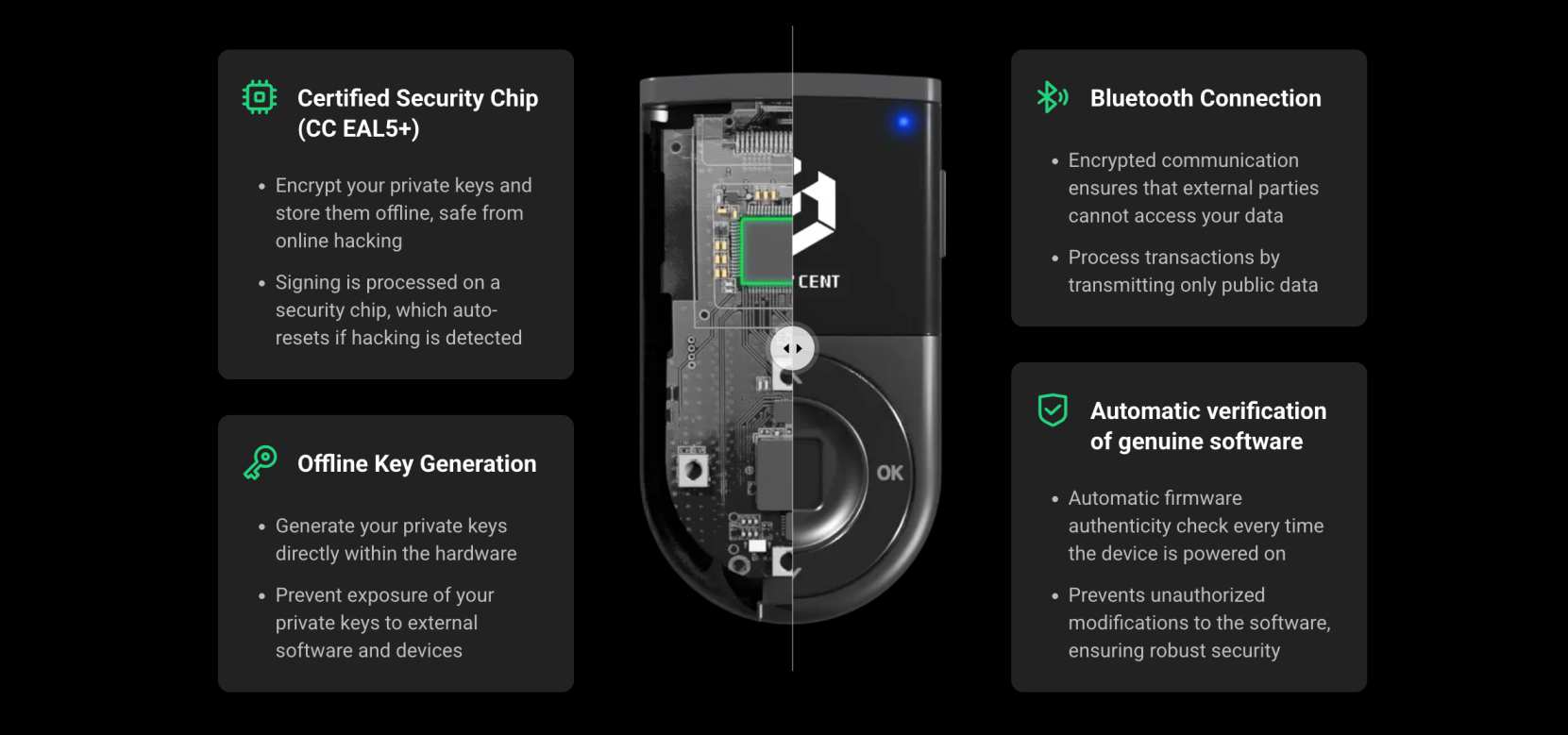
D’CENT customers get an even safer experience. In addition to a 4-8 digit PIN, they must approve transactions with fingerprint ID. Unlike software wallets, these credentials are entered on the hardware product itself, not a mobile application.
If your D’CENT or Ledger wallet is stolen, the thief has little chance of accessing the stored cryptocurrencies. Alongside their tamper-proof design, users recover their digital assets remotely via the 24-word passphrase (plus the 25th word if activated).
The backup process can be done from any wallet, including free software wallets such as MetaMask and Trust Wallet. After that, users may transfer those cryptocurrencies to a newly generated wallet to ensure it has different private keys from the original device.
Conclusion
Overall, D’CENT and Ledger Nano X are secure and affordable cold storage options, making them both suitable for long-term investors with large portfolio values.
Our research finds that D’CENT offers a slightly more robust safety process — users require biometrics and PIN to approve transactions, and firmware updates occur via over-the-air technologies.
The D’CENT app streamlines Web 3.0 accessibility through WalletConnect and a dApp browser, though a lack of desktop support may be a drawback for some users.
FAQs
Is D’CENT Wallet safe?
What are the drawbacks of Ledger Nano X?
Does Ledger Nano X support XRP tokens?
Is Ledger Nano X the best hardware wallet?
References
- Web 3.0 Market Redefining the Future of Decentralized Internet and Digital Economies (Precedence Research)
- What is the WalletConnect Network? (WalletConnect)
- Crypto Wallet Hardware: Hardware Wallet vs Cold Wallets (Kaspersky)
- Cases of Fraud Involving Impersonation of Customer Service and Employees (D’CENT)