There’s a big change brewing in Romania’s gambling scene, and it’s all about giving local mayors more power to decide what happens in their own neighborhoods. A new draft bill is making its way through the system that could completely flip how gambling gets regulated in the country, and it’s causing quite a stir.
Right now, if you want to open a betting shop or gaming hall in Romania, you need permission from the National Gambling Office (ONJN) at the national level. Local city councils can give their opinions, but they don’t really have the final say. The new proposal wants to change all that by letting municipalities call the shots about where gambling venues can operate or whether they can operate at all.
The Man Behind the Push
Leading this charge is Nelu Popa, the mayor of Reșița, who’s been pretty vocal about what he sees as a gambling problem getting out of hand. He’s not mincing words either, calling betting “a real drug that destroys destinies, especially those of young people.” Popa and other mayors are arguing that the ONJN just isn’t cutting it when it comes to keeping operators in line, and they want the power to do something about it themselves.
Our cities are invaded by these gambling halls
The Ministry of Development is backing this initiative, which would give local authorities two main tools: the ability to restrict gambling to certain areas of their cities, and the power to slap special annual taxes on operators. Prime Minister Ilie Bolojan has been clear about his support, saying “our cities are invaded by these gambling halls” and that mayors should be able to decide “if they need gambling and how many halls.”
A Troubled Regulator
Part of what’s driving this push for local control is that the ONJN has been having some serious problems. An audit covering 2019 to 2023 found that the regulator failed to collect nearly €1 billion in unpaid taxes and fees. That’s not pocket change, that’s massive amounts of money that should have been going into government coffers but somehow didn’t make it there.
The problems run deep. The audit revealed that the ONJN never properly monitored online gambling operators and didn’t fulfill basic legal duties like analyzing data or verifying reports from companies. They had the tools to check up on operators remotely but just didn’t use them. This led to operators potentially adjusting payout percentages and underreporting earnings while the regulator looked the other way.
The scandal got so bad that it forced the resignation of former ONJN president Gheorghe-Gabriel Gheorghe, who was replaced in April 2025 by Vlad-Cristian Soare. But even with new leadership, trust in the national regulator seems pretty shaken.
Romania’s Gambling Journey Through the Years
To understand where Romania is now, it helps to look back at how gambling evolved in the country. The story goes way back to 1906 when the Loteria Romana, the national lottery, first started. But like many Eastern European countries, Romania went through some dramatic changes during the 20th century.
When the Soviet Union took control from 1945 to 1989, all forms of gambling got banned under communist rule. It wasn’t until after the fall of communism in 1990 that gambling became legal again. The first casino opened in 1991, founded by Austrian company Casino Austria.
The 1990s and 2000s saw steady development of the gambling industry. A gambling business commission was set up in 1992, taxation laws for gambling establishments came in 1993, and compulsory licensing started in 1998. But online gambling took much longer to sort out. While gaming sites were operating on Romanian servers as early as 2008-2009, their activities were considered illegal until 2015.
The road to legalizing online gambling was bumpy. The first attempt in 2009 didn’t pass muster with the European Commission, and a second try in 2011 also fell short of EU standards. It wasn’t until the 2015 law that officials deemed the framework satisfactory for online operators.
The current regulatory setup was created in 2015-16 with several pieces of legislation, and the ONJN was established as the main oversight body. But as recent events show, that system has had its fair share of problems.
Recent Tax Changes and Their Impact
Romania has been tinkering with its gambling taxes quite a bit lately, and not everyone’s happy about it. Starting in August 2025, the country implemented some significant tax hikes. Online operators now pay 27% on gross gaming revenue, up from 21%, while retail operators face 23%. Players also got hit with a new 4% tax on winnings that gets applied at the source.
These changes are part of a broader effort to tackle Romania’s budget deficit, which has been estimated at around 7% of GDP. The government is hoping higher taxes will bring in more revenue, but industry experts are warning it might backfire.
The Romanian Remote Gambling Operators Association (AOJND) has been particularly vocal about their concerns. They commissioned a survey that found 14.07% of Romanian players already admit to using unlicensed gambling websites. The main reasons are more attractive bonuses and rewards, excessive taxation on licensed sites, and no requirement to justify where their money comes from.
Even more worrying is that tax revenues from the gambling industry actually dropped by nearly 17% in 2024, totaling €689 million. This decline happened right as tax burdens were increasing, suggesting that higher taxes might be pushing people toward unlicensed operators instead of boosting government revenues.
The Social Side of Gambling Problems
Romania has been grappling with gambling addiction issues, though getting exact numbers is tricky. One specialist estimated in 2023 that there are officially around 100,000 gambling addicts in Romania, but the real number could be more than 10 times higher. To put this in perspective, a representative from the Romanian National Bank said that in 2024, the largest share of all online payments in Romania was related to betting and online casinos.
The scale of Romania’s gambling activity is pretty striking when you look at global numbers. In 2023, Romania contributed 3.1% of total worldwide online gambling activity despite having only 19 million inhabitants, which is about 0.24% of the global population. This suggests Romanians are gambling at rates well above the global average.
The government has tried to address addiction issues through various programs. There’s been a “Responsible Gambling Project” that started with Novomatic Romania and was later expanded industry-wide through Romslot, the Slot Organizer’s Association. The project uses cognitive-behavioral therapy approaches and has shown some success. In one study of 119 participants, 74.6% no longer met the criteria for pathological gambling after completing the program.
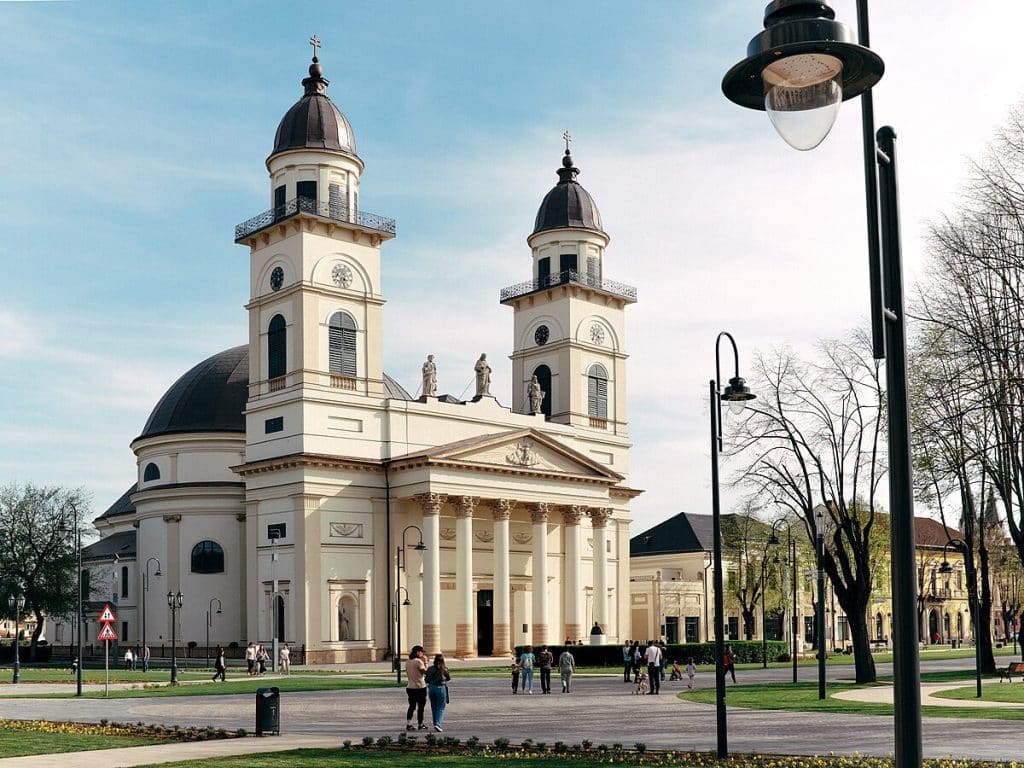
More recently, the Church of Romania has gotten involved in shaping national problem gambling strategy. Church representatives joined roundtable discussions with the National Agency for Drug and Addiction Policies (ANPCDA) and the ONJN to coordinate efforts between ministries, politicians, authorities, clergy, experts, NGOs, and the gambling sector.
The ONJN collects around €11 million in tax per year from the gambling sector, and new president Vlad Cristian Soare has committed to directing these funds into prevention, self-exclusion, and gambling harm research initiatives. Whether this will be enough to address the scale of the problem remains to be seen.
How Other European Countries Handle Local Control
Romania’s move toward giving municipalities more control over gambling isn’t happening in a vacuum. Different European countries have taken various approaches to balancing national regulation with local authority, and the results have been mixed.
Poland offers an interesting comparison point. The country has maintained a pretty restrictive approach with significant state control over gambling. Many gambling activities remain under state monopoly, operated through Totalizator Sportowy. While municipalities don’t have the same licensing powers that Romania is proposing, Poland’s experience shows how state-heavy regulation can struggle with black market issues. An estimated €57 billion has flowed to offshore operators since 2017, costing the state PLN 5.8 billion in lost tax revenue.
Germany provides another example of how local authority can work in practice. Sports betting is regulated at the state level, with each Bundesland having its own local betting act and regulatory authority. Municipal entertainment tax laws typically tax gambling machines or devices, giving local authorities some revenue and control mechanisms. The German system shows how federal structures can accommodate local preferences while maintaining overall regulatory coherence.
In Austria, there’s a more centralized approach, but casinos still need to work within local frameworks. Casino taxes can be reduced by up to 10% in the first three years of operation, and there are provisions for special considerations in municipalities that haven’t had casinos for extended periods. This shows how national systems can still incorporate local economic development considerations.
Sweden takes a different approach entirely, with national regulation through Spelinspektionen but strong emphasis on responsible gambling measures that get implemented uniformly across municipalities. Since 2019, Sweden has required all online operators to obtain local licenses, but the regulatory framework remains centralized rather than delegating authority to local governments.
The Netherlands recently legalized online gambling in 2021 with a centralized licensing system, but municipalities retain some authority over land-based venues through local zoning and planning permissions. This hybrid approach allows national standards while preserving local community input on physical gambling locations.
Tax Battles Across Europe
Romania’s tax increases aren’t happening in isolation. Several European countries have been adjusting their gambling tax structures, often with mixed results. The experiences of neighboring countries offer some lessons about what works and what doesn’t.
Poland’s experience with high taxation has been particularly instructive. Despite strict regulations and significant tax burdens, the unlicensed market share has remained substantial, with some estimates suggesting it reaches 40-50% of total gambling activity. This has led industry experts to argue that excessive taxation can actually undermine legitimate operators and push players toward unregulated alternatives.
Germany’s recent liberalization has included significant tax components, with online sports betting, horse racing, virtual slots and poker taxed at 5.3% of turnover. However, annual licensing fees are structured progressively based on expected revenues, starting at 0.2% of turnover for operators with up to €40 million in expected revenues and scaling up to higher percentages for larger operators.
Italy has maintained a relatively stable tax environment with online gambling legal and regulated, though operators must obtain licenses from Italian authorities and pay corresponding taxes. The Italian model has generally been seen as successful in maintaining a robust licensed market while generating significant tax revenues.
The key lesson from across Europe seems to be that tax policy needs to balance revenue generation with market stability. Countries that have pushed tax rates too high have often seen players migrate to unlicensed operators, ultimately reducing total tax collections and creating regulatory headaches.
What This Means for Romanian Communities
If the proposed legislation passes, Romanian municipalities would gain unprecedented control over gambling in their jurisdictions. Cities could designate specific areas where gambling is allowed, similar to how many places handle adult entertainment or other regulated activities. They could also impose their own taxes on top of national requirements, creating additional revenue streams for local services.
Mayor Popa has been clear about his intentions; he wants to use these new powers to remove gambling halls from central locations and areas near schools. Other mayors might take different approaches based on their communities’ needs and preferences. Some might see gambling venues as economic development opportunities, while others might choose to ban them entirely.
The additional taxation authority could be particularly significant for municipal budgets. The Ministry of Development has emphasized that reforms would help secure funding for social assistance, public safety, and local services. Given Romania’s budget pressures at the national level, having additional local revenue sources could be attractive to many municipalities.
However, there are also risks. If different cities take dramatically different approaches, it could create a patchwork of regulations that might be confusing for operators and players alike. There’s also the question of whether local authorities have the technical expertise and resources to effectively regulate gambling operators, particularly online ones.
The Road Ahead
The draft bill has already passed public consultation and received a positive opinion from the Economic and Social Council on August 29, 2025. However, it remains at the government stage and hasn’t yet been submitted to Parliament for debate and vote. Given the political support from mayors and the ongoing problems with the ONJN, passage seems likely, but the timeline remains uncertain. The law is also currently silent on crypto gambling platforms.
If the legislation does pass, it would represent a significant shift in how gambling gets regulated in Romania. It would also put the country somewhat at odds with the trend in many European jurisdictions toward more centralized, harmonized regulation. Whether this local approach proves more effective than national oversight remains to be seen.
The gambling industry will be watching closely, as will other European countries dealing with similar regulatory challenges. Romania’s experiment with municipal gambling control could provide valuable lessons, positive or negative, for how to balance local community needs with effective industry oversight.
For now, Romanian cities continue to deal with what many mayors see as too many gambling venues operating with insufficient oversight. Whether giving local authorities more power will solve these problems or create new ones is a question that will likely take years to answer definitively.
Related Pages
-
- Romania’s Gambling Landscape: Tech Giants Pressured to Block Unlicensed Ads as Regulatory Storm Brews
- Romania’s Gambling Ban in Small Towns Faces Constitutional Review
- Micro-Betting Momentum: Kero Gaming’s $3M Boost Sets Stage for Global Expansion
- Gaming Industry Boosts Spending on Responsible Gaming Efforts Amid Growing Commitment