Join Our Telegram channel to stay up to date on breaking news coverage
Hard Rock International’s high-profile bid for a New York casino license has been thrust into jeopardy following the suspension of Senior Vice President Alex Pariente amid explosive allegations of anti-money laundering violations at the company’s Dominican Republic resort. The timing could not be worse for Hard Rock, which has invested years and millions of dollars pursuing one of three coveted downstate New York gaming licenses worth billions in potential revenue.
The suspension, announced in July 2025, comes as Hard Rock and New York Mets owner Steve Cohen prepare for the final stages of their $8 billion Metropolitan Park casino proposal in Queens. With the New York State Gaming Commission expected to award the three downstate licenses by December 2025, any reputational damage from compliance failures could prove decisive in one of the most competitive casino licensing processes in U.S. history.
Key Takeaways
- Executive Suspension: Hard Rock suspended Senior Vice President Alex Pariente without pay following whistleblower allegations of money laundering violations at the company’s Dominican Republic resort.
- Serious Allegations: Claims include structured transactions to avoid reporting requirements, accepting known illegal bookmakers as customers, and illegal passport seizure practices.
- New York Stakes: The scandal threatens Hard Rock’s $8 billion Metropolitan Park casino bid in Queens, one of the most valuable gaming licenses in U.S. history.
- Federal Investigation: The case is part of a broader federal crackdown on casino money laundering that has resulted in over $25 million in recent industry fines.
- Political Investment: Hard Rock and Steve Cohen have secured crucial legislative approvals for their Queens casino, making the timing of the scandal particularly damaging.
- Career Background: Pariente brings over 20 years of high-level casino experience, having held executive positions at Wynn Las Vegas, Caesars Entertainment, and other major properties.
- Industry Impact: The case highlights ongoing challenges in casino anti-money laundering compliance across the global gaming industry.
The Suspension: A Career-Defining Fall
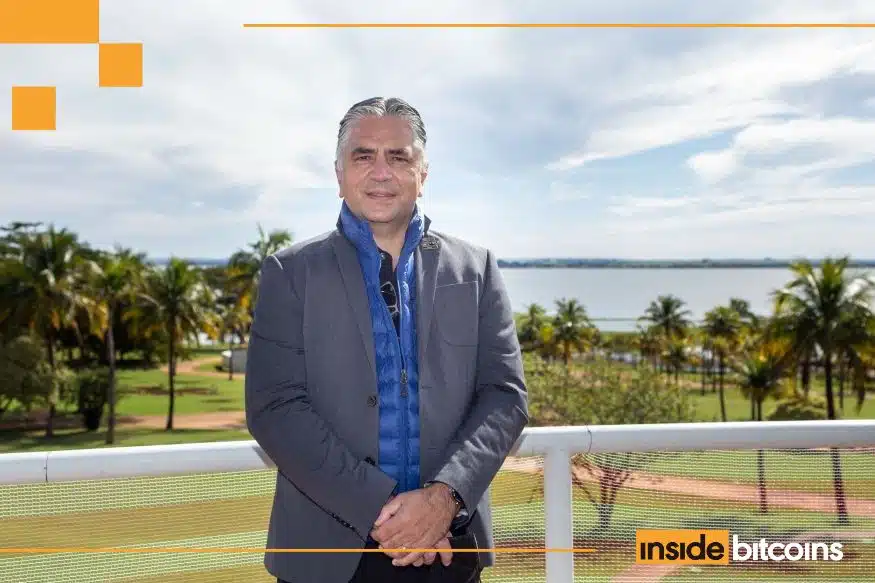
Alex Pariente’s suspension represents a dramatic fall for one of the casino industry’s most experienced executives. The 52-year-old Senior Vice President for Hotel and Casino Operations was suspended without pay following a comprehensive whistleblower complaint that alleges systematic anti-money laundering violations at Hard Rock Hotel & Casino Punta Cana in the Dominican Republic.
Background of the Executive
Pariente’s career trajectory had positioned him as one of the industry’s rising leaders, with over two decades of experience at some of gaming’s most prestigious properties:
- Executive Vice President at Wynn Las Vegas (2004-2013), where he helped establish the property as a premier destination for high-limit players
- Chief Gaming Officer at Hard Rock Punta Cana (2015-2017), overseeing the property’s gaming operations during a period of significant expansion
- Executive Vice President at Baha Mar resort in the Bahamas (2014-2015, 2017-2018), managing operations at one of the Caribbean’s largest casino developments
- Senior Vice President at Caesars Entertainment (2001-2004), gaining foundational experience in large-scale casino operations
Based in South Florida, Pariente had built a reputation for his ability to attract and retain high-value players—a skill that made him valuable to employers but may have contributed to the compliance issues that now threaten his career.
The Whistleblower Complaint
The allegations against Pariente emerged through multiple sources, including federal informants who have been instrumental in exposing casino money laundering schemes across the industry. The primary whistleblower, operating under the alias “Robin Hood 702,” has provided information leading to investigations at multiple gaming properties.
According to sources familiar with the complaint, the allegations were first brought to Hard Rock’s attention as early as August 2020, raising questions about the company’s response time and internal investigation procedures. The nearly five-year gap between initial reports and Pariente’s suspension suggests either inadequate internal controls or reluctance to address compliance concerns involving a senior executive.
The Allegations: A Pattern of Compliance Failures
The charges against Pariente paint a picture of systematic circumvention of anti-money laundering protocols, with potential criminal implications that extend far beyond company policy violations.
Structured Transactions and Regulatory Evasion
The most serious allegations involve Pariente’s alleged approval of “structured transactions” designed to circumvent Dominican Republic anti-money laundering reporting requirements. According to whistleblower testimony, Pariente allegedly orchestrated a scheme where a Chinese gambler’s $100,000 cash deposit was deliberately broken into 33 smaller transactions to avoid mandatory reporting thresholds.
Under Dominican law, cash transactions exceeding specific amounts must be reported to the country’s Financial Intelligence Unit (Unidad de Información Financiera). The alleged structuring scheme would constitute a clear violation of these requirements and potentially expose Hard Rock to significant criminal and civil penalties.
“Structuring transactions to avoid reporting requirements is one of the most serious violations of anti-money laundering law,” explains former federal prosecutor Jennifer Martinez, who specialized in casino money laundering cases. “It demonstrates willful intent to circumvent the regulatory framework rather than mere oversight or negligence.”
Connections to Illegal Bookmakers
Perhaps most damaging to Hard Rock’s reputation are allegations that Pariente knowingly allowed illegal bookmakers to gamble at the Punta Cana resort, including individuals with direct connections to high-profile criminal cases.
The most prominent figure named in the allegations is Matt Bowyer, the Southern California bookmaker who became central to the Shohei Ohtani betting scandal involving the baseball star’s former interpreter, Ippei Mizuhara. Bowyer operated one of the nation’s largest illegal gambling enterprises, accepting approximately $325 million in wagers from Mizuhara alone before pleading guilty in August 2024 to federal charges including:
- Running an illegal gambling business
- Money laundering
- Tax evasion
- Operating without proper licensing
The allegations suggest that Pariente not only allowed Bowyer to gamble at Hard Rock Punta Cana but may have provided preferential treatment, including extended credit and relaxed collection procedures for unpaid markers.
Additional Compliance Violations
Beyond the headline allegations, the whistleblower complaint details a range of other compliance failures allegedly occurring under Pariente’s supervision:
Selective Marker Enforcement: Allegations that Pariente allowed certain high-value customers’ credit markers to remain unpaid while aggressively collecting from others, potentially indicating preferential treatment based on illegal relationships.
Illegal Passport Seizure: Claims that the resort illegally held patron passports until credit markers were satisfied, a practice that violates both Dominican law and international standards for customer treatment.
Questionable Junket Operations: Allegations of hiring junket representatives with suspected ties to organized crime or other illegal activities, potentially exposing the resort to criminal liability.
Inadequate Due Diligence: Failure to conduct proper background checks on high-value customers, particularly those bringing large amounts of cash or requesting unusual transaction structures.
The New York Casino Stakes
The timing of Pariente’s suspension could not be more damaging to Hard Rock’s most ambitious expansion project: the $8 billion Metropolitan Park casino development in Queens, New York.
The Metropolitan Park Vision
Hard Rock’s partnership with New York Mets owner Steve Cohen represents one of the most comprehensive integrated resort proposals in U.S. casino history. The Metropolitan Park project would transform 50 acres of parking lots surrounding Citi Field into a world-class entertainment destination featuring:
- Gaming Facilities: A full-service casino with hundreds of table games and thousands of slot machines, designed to compete with the best properties in Las Vegas and Macau.
- Luxury Accommodations: A 1,000+ room hotel featuring multiple brands and price points, from luxury suites to accessible accommodations for diverse visitors.
- Public Amenities: 25 acres of public park space, fulfilling community demands for green space while providing a unique amenity distinguishing the property from traditional casinos.
- Culinary Experiences: A “Taste of Queens” food hall featuring local vendors and international cuisine, celebrating the borough’s diverse cultural heritage.
- Transportation Infrastructure: Significant upgrades to public transportation access, including improved subway connections and dedicated shuttle services.
- Economic Impact: An estimated 23,000 union jobs during construction and permanent employment for thousands of workers across all skill levels.
Legislative Victories Now at Risk
Cohen and Hard Rock have invested enormous political capital in securing the necessary approvals for their ambitious project. Their legislative successes include several crucial milestones:
New York City Council Approval: A decisive 41-2 vote in March 2025 approving zoning changes necessary for the project, demonstrating strong local political support despite some community opposition.
State Senate Passage: A 54-5 vote in May 2025 approving legislation reclassifying the land from parkland to commercial use, clearing a major regulatory hurdle that had threatened the project’s viability.
Expected Gubernatorial Support: Governor Kathy Hochul’s anticipated signature on the enabling legislation, providing final state-level approval for the project to proceed.
These approvals position Hard Rock as one of the leading contenders for a downstate casino license, making the Pariente scandal’s timing particularly problematic.
The Competition
Hard Rock faces fierce competition from at least seven other major bidders for the three available downstate New York casino licenses, each carrying a $500 million licensing fee plus a $500 million minimum capital investment requirement. Key competitors include:
- MGM’s Empire City Casino expansion in Yonkers, which benefits from an existing facility and established customer base in the New York metropolitan area.
- Genting’s Resorts World NYC expansion in Queens, offering another established operation with significant political and community relationships.
- SL Green and Caesars Entertainment partnership proposing a Times Square location that would bring casino gaming to the heart of Manhattan’s tourism district.
- Silverstein Properties proposal for Manhattan’s West Side, leveraging the developer’s extensive local experience and political connections.
- Bally’s Corporation bid for a Bronx location, though recent reports suggest this proposal has lost political support and may be effectively eliminated from consideration.
The competitive environment makes any factor that undermines a bidder’s regulatory standing potentially decisive in the final selection process. Plus, let’s not forget the emergence of crypto casinos that is also taking market share from the land-based gambling industry.
Regulatory and Legal Implications
The Pariente case emerges within a broader context of intensified federal enforcement against casino money laundering, suggesting systematic problems across the gaming industry rather than isolated incidents.
Federal Enforcement Pattern
Recent federal actions against major casino operators demonstrate the scope of the government’s anti-money laundering crackdown:
Resorts World Las Vegas: A $10.5 million fine for facilitating illegal bookmaker operations, including providing dedicated gambling facilities and circumventing reporting requirements.
MGM Resorts: An $8.5 million settlement addressing violations involving illegal gambling operations with ties to former executive Scott Sibella, who received a five-year industry ban.
MGM Grand and Cosmopolitan of Las Vegas: Combined $7.5 million in fines for similar anti-money laundering violations involving illegal bookmakers and inadequate customer due diligence.
These enforcement actions total over $25 million in recent penalties, indicating federal authorities’ determination to address casino money laundering aggressively.
Hard Rock’s Exposure
Unlike competitors who have reached federal settlements, Hard Rock has not yet resolved its potential federal exposure, potentially leaving the company vulnerable to even larger penalties if violations are substantiated. Federal prosecutors have shown willingness to impose substantial fines—often exceeding company settlements—when they believe violations are particularly egregious or systemic.
The company’s global operations across multiple jurisdictions also create potential exposure beyond U.S. enforcement, as international authorities often coordinate on money laundering investigations involving multinational casino operators.
Dominican Republic Regulatory Context
The Dominican Republic has struggled with money laundering in its casino sector for decades. A 2004 academic study noted that “money laundering is common in the activities surrounding the casinos of the Dominican Republic” and criticized authorities for lacking adequate resources to monitor and prevent such activities.
Recent efforts to strengthen the country’s anti-money laundering framework have included enhanced reporting requirements, increased international cooperation, and stricter oversight of high-value transactions. However, enforcement remains inconsistent, creating opportunities for operators to exploit regulatory gaps.
Industry Impact and Broader Context
The Pariente case highlights several systemic challenges facing the global casino industry as it grapples with increasingly sophisticated money laundering schemes and heightened regulatory scrutiny.
Hard Rock’s Response
Hard Rock International has attempted to address the crisis through both public statements and internal actions. The company’s formal response emphasized its commitment to compliance while acknowledging the seriousness of the allegations:
“Hard Rock International is aware of the allegations involving one of our executives and is treating the matter with the utmost seriousness. Honesty and integrity are core values of our organization, and we hold all team members — regardless of their role — to the highest ethical standards.”
Behind the scenes, the company has reportedly launched comprehensive internal audits at the Punta Cana property and other international locations. These audits focus on:
- Transaction Pattern Analysis: Reviewing cash handling procedures and large transaction patterns across all properties
- Customer Due Diligence: Strengthening background check procedures for high-value customers and junket operators
- Staff Training Enhancement: Implementing additional anti-money laundering training for executives and frontline staff
- Policy Clarification: Updating corporate policies to eliminate ambiguity about acceptable practices in international markets
Whistleblower Protection and Industry Transparency
The Pariente case underscores the crucial role of whistleblower protection in exposing casino money laundering schemes. The primary informant, “Robin Hood 702,” has been instrumental in multiple investigations across the industry, demonstrating the value of insider information in detecting sophisticated compliance violations.
However, the case also raises questions about internal reporting mechanisms and corporate response to compliance concerns. The five-year gap between initial reports and executive suspension suggests potential weaknesses in how gaming companies handle serious allegations against senior management.
“Effective compliance requires companies to investigate and address concerns promptly, regardless of the seniority of employees involved,” notes former Gaming Commission investigator Robert Chen. “The appearance of delayed action can be almost as damaging as the underlying violations.”
Global Anti-Money Laundering Evolution
The casino industry worldwide is experiencing unprecedented scrutiny of anti-money laundering practices, driven by several converging factors:
Increased Regulatory Cooperation: International authorities are sharing information more effectively, making it difficult for operators to isolate violations to single jurisdictions.
Enhanced Technology: Sophisticated transaction monitoring systems can detect patterns that might have escaped notice under previous manual review processes.
High-Profile Cases: Media attention to cases like the Ohtani scandal has increased public and political pressure for aggressive enforcement.
Cryptocurrency Integration: The growing intersection between traditional casino operations and cryptocurrency creates new money laundering vulnerabilities that regulators are still learning to address.
Financial and Market Implications
The scandal’s financial implications extend far beyond the immediate costs of the investigation and potential penalties, threatening Hard Rock’s broader expansion strategy and market positioning.
New York Market Value
The three downstate New York casino licenses represent some of the most valuable gaming opportunities in the United States. Industry analysts project each license could generate $1-2 billion annually in gross gaming revenue, making them potentially worth tens of billions in enterprise value over their operational lifetime.
The licenses carry substantial upfront costs—a $500 million licensing fee plus a $500 million minimum capital investment requirement—but these amounts are considered modest relative to the revenue potential. Las Vegas Sands, for example, paid $6.2 billion for Marina Bay Sands in Singapore, demonstrating the valuations major operators place on premium gaming licenses.
Given these stakes, any factor that undermines a bidder’s regulatory credibility could prove decisive in the competitive process.
Hard Rock’s Global Operations
The company’s worldwide portfolio includes over 450 locations spanning restaurants, hotels, and casinos across six continents. Major gaming properties include facilities in:
- United States: Atlantic City, Tampa, Hollywood (Florida), and Cincinnati
- International: Dominican Republic, Vancouver, and planned developments in multiple countries
Any federal enforcement action could impact Hard Rock’s ability to obtain gaming licenses in other jurisdictions, potentially affecting billions in planned investments. Gaming regulators typically review companies’ compliance histories across all jurisdictions when evaluating license applications, meaning Dominican Republic violations could affect U.S. expansion plans.
Stock and Credit Implications
While Hard Rock International remains privately held, the compliance scandal could affect the company’s access to capital markets and credit facilities needed for major expansion projects like Metropolitan Park. Large-scale casino developments typically require substantial financing, and compliance issues can increase borrowing costs or limit available funding sources.
Credit rating agencies have increasingly focused on regulatory compliance as a factor in casino company evaluations, recognizing that significant penalties or license restrictions can materially impact cash flow and profitability.
Looking Forward: Damage Control and Compliance
Hard Rock faces the challenging task of addressing the immediate crisis while maintaining momentum for its New York casino bid and broader expansion plans.
Internal Reform Requirements
The company will need to demonstrate comprehensive reforms to satisfy both regulators and potential business partners. Expected measures include:
Executive Accountability: Clear policies establishing personal responsibility for compliance violations and consequences for senior management who fail to maintain adequate oversight.
Enhanced Due Diligence: Strengthened procedures for vetting high-value customers, particularly those requesting unusual transaction structures or bringing large amounts of cash.
Technology Investment: Implementation of sophisticated transaction monitoring systems capable of detecting structuring and other suspicious patterns in real-time.
Third-Party Auditing: Regular independent audits of anti-money laundering procedures at all properties, with results shared with regulatory authorities.
Cultural Change: Comprehensive training programs emphasizing that compliance requirements take precedence over revenue generation in all business decisions.
Regulatory Relationship Management
Hard Rock must rebuild trust with gaming regulators while demonstrating that Dominican Republic issues represent isolated incidents rather than systemic problems. This process will likely include:
- Voluntary Disclosure: Proactive reporting of any additional compliance concerns discovered during internal investigations.
- Regulatory Cooperation: Full cooperation with ongoing federal and state investigations, including providing access to records and personnel.
- Compliance Certification: Obtaining third-party certification of anti-money laundering procedures and controls across all properties.
- Regular Reporting: Voluntary submission of compliance reports beyond minimum regulatory requirements to demonstrate ongoing commitment to transparency.
New York Bid Strategy
Despite the scandal, Hard Rock’s New York casino bid remains potentially viable given the substantial political and community support already secured. However, the company must address the compliance issues decisively to maintain its competitive position.
Key strategic elements include:
Community Engagement: Reinforcing relationships with Queens community leaders and stakeholders to maintain local support for the project.
Political Outreach: Continued engagement with state and local officials to demonstrate the company’s commitment to addressing compliance concerns.
Economic Emphasis: Highlighting the project’s substantial economic benefits, including job creation and tax revenue generation.
Compliance Showcase: Using the New York bid as an opportunity to demonstrate enhanced compliance procedures and corporate governance improvements.
CEO Jim Allen’s recent statements to Queens business leaders emphasizing local hiring and community investment suggest Hard Rock recognizes the need to strengthen its New York relationships during this challenging period.
Conclusion: A Critical Test for Gaming Industry Standards
The suspension of Alex Pariente represents far more than a personnel decision for Hard Rock International—it constitutes a fundamental test of the gaming industry’s commitment to regulatory compliance in an era of increased scrutiny and expanding global operations.
For Hard Rock specifically, the company faces the challenge of demonstrating that its compliance failures in the Dominican Republic were isolated incidents that do not reflect broader corporate culture or systematic problems. This demonstration must satisfy not only gaming regulators but also business partners, community stakeholders, and potential customers who expect the highest standards of integrity from casino operators.
The broader implications extend throughout the gaming industry, which continues to grapple with the tension between aggressive growth strategies and rigorous compliance requirements. As companies pursue expansion opportunities in new markets with varying regulatory frameworks, the Pariente case serves as a stark reminder that compliance shortcuts in one jurisdiction can threaten operations globally.
For the New York casino licensing process, the scandal adds another layer of complexity to what was already one of the most competitive and politically sensitive gaming license competitions in U.S. history. The Gaming Commission must balance the substantial economic benefits promised by the Metropolitan Park project against concerns about regulatory compliance and corporate governance.
The ultimate outcome will depend on Hard Rock’s ability to demonstrate genuine reform and commitment to compliance standards that match its ambitious growth objectives. As the December 2025 licensing decision approaches, the company faces the task of proving that one executive’s alleged misconduct will not define the organization’s future.
The stakes could not be higher: success in New York would validate Hard Rock’s compliance reforms and position the company for continued global expansion, while failure could signal the beginning of a prolonged period of regulatory scrutiny and restricted growth opportunities.
As gaming industry consultant David Rodriguez observes: “The Pariente case will be studied for years as either an example of how companies can successfully address compliance failures or as a cautionary tale about the consequences of inadequate corporate oversight. Hard Rock’s response over the coming months will determine which narrative ultimately prevails.”
References
- New York Post. (2025, July 14). “Hard Rock International suspends top executive amid bid for Queens casino.”
- Commercial Observer. (2025, April). “Steve Cohen Wins Key Vote Needed to Build Casino Next to Citi Field.”
- NBC News. (2024, August). “Bookie pleads guilty to running illegal gambling business used by ex-Ohtani interpreter.”
Join Our Telegram channel to stay up to date on breaking news coverage