Join Our Telegram channel to stay up to date on breaking news coverage
The American Gaming Association (AGA) has found itself at the center of a fierce controversy after endorsing President Donald Trump’s sweeping tax legislation despite provisions that industry experts warn could devastate professional gambling and burden casual players with taxes on “phantom” income. The organization’s support for the One Big Beautiful Bill Act (OBBBA) has sparked widespread accusations that America’s largest casino lobbying group has abandoned the very gamblers who fuel the industry it claims to represent.
The endorsement comes as the 900-page legislation contains a provision that fundamentally alters how gambling losses can be deducted from federal taxes, creating what critics describe as an unprecedented attack on both professional and recreational gambling. Starting January 1, 2026, gamblers will only be able to deduct 90% of their losses against their winnings, down from the current 100% deduction. This change could force even break-even players to pay taxes on money they never actually won.
Key Takeaways
- Controversial Tax Change: Starting January 2026, gamblers can only deduct 90% of losses against winnings, potentially creating tax liability on “phantom” income for break-even players.
- AGA Endorsement Backfire: The American Gaming Association’s support for Trump’s tax bill has triggered widespread criticism from the gambling community it represents.
- Professional Gambling Threat: Industry experts warn the changes could “end professional gambling in the US” by creating effective tax rates exceeding 100% of actual profits.
- Revenue Generation: The provision is projected to generate $1.1 billion in additional federal revenue through 2034, according to congressional estimates.
- Legislative Response: Rep. Dina Titus has introduced the FAIR BET Act to restore full gambling loss deductions following industry backlash.
- Market Disruption Risk: Analysts fear the changes could drive players to unregulated offshore platforms that don’t face similar tax burdens.
- Industry Division: The controversy has exposed tensions between the AGA’s corporate focus and the needs of individual gamblers.
The Devastating Gambling Tax Provision
Buried within the massive 900-page One Big Beautiful Bill Act is a provision that represents one of the most significant changes to gambling taxation in decades. The seemingly minor adjustment from 100% to 90% deductibility of gambling losses creates potentially catastrophic consequences for players across the spectrum.
How the Math Creates “Phantom” Income
The mechanics of the new tax structure reveal its punitive nature. Under current law, a gambler who wins $100,000 and loses $100,000 in the same tax year pays no taxes because they broke even. Under the new system, that same player would owe taxes on $10,000 in “phantom” income. This is money they never actually received.
The situation becomes even more absurd for net losers. A player who wins $200,000 but loses $210,000 would face taxes on $11,000 despite losing money overall. They can only deduct $189,000 (90% of $210,000) against their $200,000 in winnings, creating taxable income of $11,000 on what was actually a $10,000 loss.
The impact could be career-ending for professional gamblers who generate high volumes of both wins and losses. Phil Galfond, a professional poker player with nearly $3 million in tournament winnings, illustrated the devastating mathematics in a detailed social media post that has been widely shared throughout the gambling community.
“Now we would pay as if we won $5.2 million, minus 90% of $5 million, which is $4.5 million for a fake net of $700,000,” Galfond explained. “So you would make $200,000 during the year and pay tax as if you made $700,000.”
Congressional Revenue Projections
The provision is projected to generate approximately $1.1 billion in additional federal revenue through 2034, according to congressional scorekeepers. This revenue projection assumes that current gambling behavior will continue despite the tax burden, an assumption that many industry professionals consider unrealistic given the availability of offshore alternatives.
The revenue estimates also fail to account for the potential economic impact of driving professional gamblers out of the legal market or forcing recreational players to reduce their gambling activity due to increased tax obligations.
AGA’s Controversial Stand
Despite the clear harm to gamblers, the AGA issued a statement enthusiastically praising the legislation’s passage. In a post on social media platform X that has since attracted hundreds of critical comments, the organization wrote:
“The passage of the One Big Beautiful Bill Act significantly enhances our industry’s ability to sustain quality jobs and deliver economic benefits, and we look forward to President Trump’s expected signature.”
The AGA’s broader statement emphasized that the bill’s tax provisions would “support consumers, encourage business innovation and investment, and strengthen U.S. competitiveness.” However, the organization notably failed to address the gambling loss deduction limitation in its initial public comments, focusing instead on corporate tax benefits that would help casino operators.
Damage Control Efforts
Only after facing intense criticism did AGA President and CEO Bill Miller acknowledge the gambling provision was problematic. In a subsequent statement, Miller said the organization would “work closely with Congress in the coming months to address the changes to wagering deduction losses.”
However, this lukewarm commitment came only after the bill had already passed both chambers of Congress and been signed into law by President Trump. Critics noted that the AGA’s after-the-fact concerns rang hollow given their enthusiastic endorsement of legislation they had presumably reviewed in detail.
The organization’s response strategy appeared to prioritize corporate tax benefits for casino operators while treating the devastating impact on individual gamblers as an unfortunate side effect to be addressed later, if at all.
Industry and Player Outrage
The AGA’s position has triggered an unprecedented level of criticism from across the gambling community, uniting professional players, recreational gamblers, tax experts, and even some casino industry insiders in opposition.
Professional Gambling Community Response
The professional gambling community has been particularly vocal in its criticism, with prominent players using their platforms to warn about the legislation’s impact. Doug Polk, another well-known poker professional, predicted that “tens of thousands of people will instantly lose their careers” if the law takes effect as written.
The criticism extends beyond individual players to the broader ecosystem of professional gambling, including coaches, stakers, and other professionals who depend on the industry for their livelihoods. Many have begun exploring options for relocating to jurisdictions with more favorable tax treatment.
Tax Professional Warnings
Accounting professionals who specialize in gambling taxation have unanimously warned clients about the provision’s impact. Zachary Zimbile, an accountant with extensive gambling industry experience, told clients the change would “eat into a lot of their profit,” noting that many are “very concerned” about the implications.
Ray Kondler of Las Vegas-based Kondler CPA warned that the bill would “have a major effect on the industry,” potentially pushing players toward offshore platforms that don’t face similar tax burdens. Kondler’s firm has been fielding calls from concerned clients exploring options for relocating their gambling activities to more tax-friendly jurisdictions.
The consensus among tax professionals is that the provision will create significant compliance complications while potentially driving substantial gambling activity into unregulated markets. This outcome directly contradicts the AGA’s stated mission of promoting legal, regulated gambling.
Congressional Opposition
The political response has been swift and bipartisan, with lawmakers from gambling-friendly states leading the charge against the provision. Rep. Dina Titus (D-Nevada), who chairs the Congressional Gaming Caucus, immediately announced plans to introduce the FAIR BET Act to restore full gambling loss deductions.
Titus criticized the AGA’s position during a press conference, noting that the changes could affect tourists who face taxes on money they never actually won, potentially “souring their experience” and causing casinos long-term reputational damage.
“It will have a big impact on gaming,” Titus warned. “They thought it was just a handful of professional poker players, but a lot of amateurs have come out of the woodwork to oppose it too.”
Rep. Ro Khanna (D-California) joined Titus in introducing the FAIR BET Act, calling the gambling provision an “unfair anti-gaming tax” that would harm both professional and recreational players.
Social Media Firestorm
The AGA’s celebratory social media posts about the legislation’s passage have become lightning rods for criticism from the gambling community. Comments on the organization’s X post have been overwhelmingly negative, with users questioning how the AGA can claim to support consumers while backing legislation that clearly harms them.
One representative response asked: “How does this tax policy support consumers (whether recreational, professional, etc.)?” The question has been echoed in hundreds of similar comments, many from users identifying themselves as casino customers expressing disappointment with the AGA’s position.
The social media backlash has been particularly damaging because it has made visible the disconnect between the AGA’s corporate focus and the concerns of individual gamblers. Many commenters have noted the irony that an organization claiming to represent the gaming industry would support legislation that makes legal gambling less attractive relative to offshore alternatives.
Industry Insider Criticism
Perhaps most damaging to the AGA’s position has been criticism from the casino industry. Speaking anonymously to media outlets, a gaming industry source stated: “We’re disappointed, and we’ll be seeking to work with congressional leaders to rectify this before the legislation takes effect at the end of this year.”
This internal criticism suggests that the AGA’s position may not reflect the views of all its members, particularly those operators who depend heavily on high-volume players who would be most affected by the tax changes.
Market Disruption and Competitive Implications
Industry analysts have identified several ways the gambling tax changes could disrupt the legal gambling market and potentially benefit illegal operators:
Offshore Platform Advantages
Unregulated offshore gambling sites operate outside U.S. tax jurisdiction and can offer better effective odds to players without the burden of additional tax complications. This creates a significant competitive advantage for illegal operators at precisely the time when the legal industry has been working to channel players into regulated markets.
The tax changes effectively subsidize illegal gambling by making legal alternatives less attractive. Professional players, in particular, may find it economically impossible to continue operating within the regulated market while facing effective tax rates that exceed their actual profits.
Professional Player Migration
High-volume advantage players represent a crucial segment of the gambling market, often generating significant revenue for traditional and crypto casinos through their play volume even when they maintain mathematical edges over the house. The loss of these players to offshore markets would represent both a revenue loss for legal operators and a competitive advantage for illegal sites.
Many professional players have already begun exploring options for relocating to jurisdictions with more favorable tax treatment, including countries that offer residence programs specifically designed to attract gambling professionals.
Recreational Player Impact
Even casual gamblers could face unexpected tax complications under the new system. A recreational player who hits a large jackpot but also experiences significant losses throughout the year could face substantial tax liability despite breaking even or losing money overall.
This prospect is particularly concerning for tourism-dependent markets like Las Vegas, where visitors may find themselves facing unexpected tax obligations that could discourage future visits.
Legislative Response and Reform Efforts
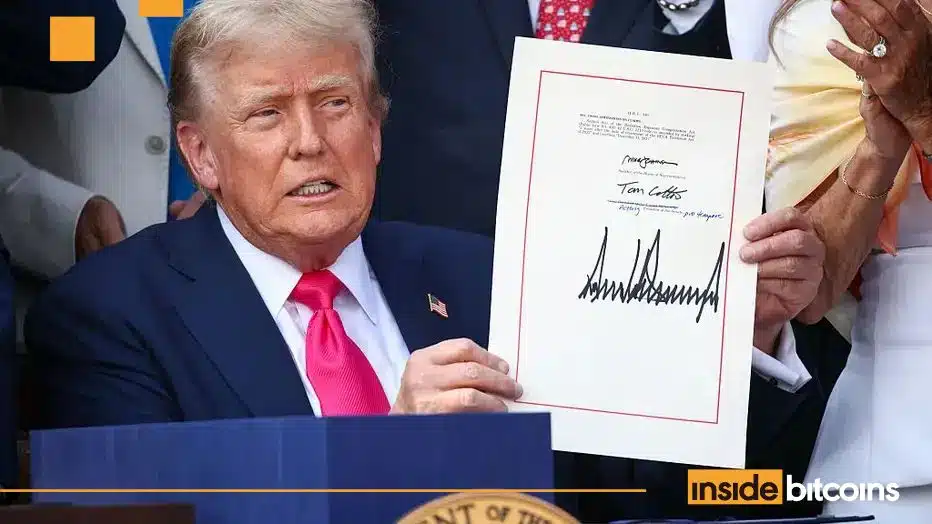
While President Trump signed the One Big Beautiful Bill Act into law on July 4, 2025, several legislative initiatives are underway to address the gambling-specific provisions:
The FAIR BET Act
Rep. Titus and Rep. Khanna have introduced the FAIR BET Act, which would permanently restore 100% gambling loss deductions and eliminate the phantom income problem created by the original legislation. The bill has garnered bipartisan support from lawmakers representing gambling-dependent constituencies.
The FAIR BET Act specifically targets what its sponsors call the “unfair anti-gaming tax provision” in Trump’s legislation, arguing that the changes could drive players to illegal markets “bereft of consumer protections.”
Technical Corrections Approach
Some lawmakers have suggested that the gambling provision could be addressed through a technical corrections bill, which would fix unintended consequences without requiring a full legislative rewrite. This approach might face less political resistance since it could be framed as correcting an oversight rather than reversing a deliberate policy choice.
However, the revenue implications of the gambling provision make it unclear whether Congress would be willing to eliminate a source of projected tax income without identifying alternative revenue sources.
Industry Lobbying Pressure
Despite the AGA’s initial support for the legislation, the organization now faces intense pressure from its own constituency to actively lobby for reversal of the gambling-specific provisions. This puts the AGA in the awkward position of needing to oppose provisions within a bill they enthusiastically endorsed.
The controversy has also highlighted questions about the AGA’s lobbying priorities and whether the organization effectively represents the interests of all gambling industry stakeholders or primarily focuses on casino operators’ corporate concerns.
Broader Gaming Industry Context
The gambling tax controversy occurs against the backdrop of several other regulatory and tax issues facing the gaming industry:
Federal Sports Betting Excise Tax
The AGA has been advocating for elimination of the 0.25% federal excise tax on legal sports wagers, arguing that it creates a competitive disadvantage relative to illegal operators. The organization’s position on this issue makes their support for additional gambling taxes appear inconsistent.
Slot Machine Reporting Thresholds
The AGA has also been pushing to raise the reporting threshold for slot machine winnings from $1,200 to $5,000, arguing that the current threshold hasn’t been adjusted for inflation since 1977. This advocacy effort directly contradicts the organization’s acceptance of reduced gambling loss deductions.
Combating Illegal Gambling
A core component of the AGA’s mission involves working with federal authorities to crack down on unlicensed gambling operators. The organization’s support for legislation that arguably benefits illegal operators by making legal gambling less attractive appears to contradict this stated priority.
International Implications and Competitive Positioning
The U.S. gambling tax changes occur as other jurisdictions actively compete for gambling industry investment and player activity:
International Tax Competition
Several countries, including Malta, Gibraltar, and certain Caribbean nations, offer favorable tax treatment specifically designed to attract gambling operators and professional players. The U.S. changes could accelerate migration of gambling activity to these jurisdictions.
Regulatory Arbitrage
The tax disparities created by the U.S. changes could lead to increased regulatory arbitrage, where players and operators structure their activities to take advantage of more favorable tax treatment in other jurisdictions.
This trend could undermine the U.S. position as a leading gambling market and potentially reduce the effectiveness of domestic regulatory efforts.
Industry Stakeholder Reactions
The controversy has revealed significant divisions within the gambling industry ecosystem:
Casino Operator Positions
While publicly maintaining support for the AGA’s position, some casino operators have privately expressed concerns about the potential impact on their high-value customers. The loss of professional players and high-volume recreational gamblers could significantly impact revenue at certain properties.
Technology Provider Concerns
Companies providing technology solutions to the gambling industry have expressed concerns that reduced player activity could impact demand for their products and services.
Media and Content Provider Impact
Gambling media companies and content providers that depend on professional player audiences have warned that the exodus of professional gambling could significantly impact their business models.
Future Outlook and Potential Scenarios
Several scenarios could emerge as the January 2026 implementation date approaches:
Legislative Reversal
If the FAIR BET Act or similar legislation gains sufficient political support, the gambling tax provisions could be reversed before taking effect. However, this would require Congress to identify alternative revenue sources or accept reduced projected income.
Regulatory Implementation
The Treasury Department and IRS will need to issue guidance on how the new tax provisions will be implemented, potentially creating opportunities to minimize the most harmful effects through favorable interpretations.
Industry Adaptation
Gambling operators may develop new products or business models designed to minimize the tax impact on their customers, though the fundamental mathematics of the tax change limit the available options.
Market Fragmentation
The most likely outcome may be increased fragmentation of the gambling market, with different player segments adopting different strategies for managing their tax obligations.
Conclusion: A Crisis of Representation
The AGA’s endorsement of Trump’s tax legislation despite its harmful effects on gamblers has exposed fundamental tensions within the gambling industry about representation, priorities, and strategic direction. The controversy raises serious questions about whether organizations claiming to represent the gaming industry are truly aligned with the interests of all stakeholders or primarily focused on corporate concerns.
The mathematical reality of the gambling tax changes makes it clear that many professional gamblers will face impossible choices: accept effective tax rates that exceed their profits, relocate to more favorable jurisdictions, or exit the profession entirely. For recreational players, the prospect of phantom income taxation could significantly reduce the appeal of legal gambling relative to offshore alternatives.
Perhaps most troubling for the industry’s long-term health is the potential for these changes to benefit illegal operators at the expense of the regulated market that organizations like the AGA claim to champion. By supporting legislation that makes legal gambling less attractive, the AGA appears to have undermined its own mission while alienating the very gamblers who generate the revenue that funds the industry.
As Rep. Titus noted, the changes risk pushing players into illegal markets “bereft of consumer protections”, an outcome that contradicts everything the regulated gambling industry claims to stand for. The coming months will determine whether the industry can effectively mobilize to reverse these changes or whether the AGA’s controversial endorsement will stand as a defining moment in the organization’s relationship with the gambling community it claims to represent.
References
- New York Post. (2025, July 4). “Gamblers sound alarm over $1.1B tax hike in Trump’s ‘big beautiful bill’.”
- NBC News. (2025, July). “Bettors are worried Trump’s ‘big beautiful bill’ could cause professional gambling to end.”
- MoneyControl. (2025, July). “Gamblers raise alarm over $1.1 billion tax hike in Trump’s bill.”
- American Gaming Association. (2025, July). LinkedIn post on One Big Beautiful Bill Act passage.
- ESPN. (2025, July). “‘Big Beautiful Bill’ raises alarm in betting community.”
Join Our Telegram channel to stay up to date on breaking news coverage