
Is it one of those mornings when you take your phone to check your crypto portfolio and all you see is red. The sudden dip is spooky and oftentimes, a bit devastating. But, before you start panicking, let’s talk a bit about why crypto goes down every now and then.
Crypto moves fast and is often triggered by big-picture forces rather than just FOMO or hype. It doesn’t always make much sense on the surface, but often you can get a sense of why it’s down by keeping an eye on a handful of important factors.
In this post, we will dive into the intricacies of the crypto market’s downturns and how you can keep tabs on these changes without drowning in the jargon. The goal isn’t to bore you with endless details, but to help you understand why this happens and what to watch for next time.
Why Is Crypto Down Today?
Everyone who has invested in crypto for any meaningful amount of time has experienced the corrections or crashes that happen every once in a while.
In crypto, sharp pullbacks can hit unexpectedly. Still, these dips rarely come out of thin air, though that is known to happen, too. In most cases, they are the result of one or more major forces at play – security breaches, macroeconomic shifts, crypto regulatory jurisdiction changes, and more.
That being said, let’s see what often nudges crypto markets lower.
Main Factors That Affect the Crypto Market
Here are the key factors that often drive crypto prices down.
Derisking
When markets feel unstable, investors tend to step away from riskier bets like crypto and stocks and go for “safer” assets instead, such as government bonds, gold, or just plain cash. This is not about hating crypto, but in times of uncertainty, many people want to preserve their capital and minimize their risks.
Ahead of major Federal Reserve announcements or economic data releases like inflation or new tariffs, you will often see money flowing out of crypto. This derisking spiral becomes even more serious when whales and institutional investors shift their strategy. Very often, their actions trigger a chain of sell-offs, which can dump the value of your coins significantly.
Many trading platforms nowadays auto-liquidate leveraged positions, too, which can push prices down further, creating what we call a domino effect.
Example: According to CoinDesk, the crypto markets have seen over $300 million in liquidations by March 29, 2025, as investors started fleeing risks over concerning macroeconomic data ahead of April policy exchanges.
Regulatory News
Government announcements, as well as announcements from central banks and agencies like the Securities and Exchange Commission (SEC), can trigger sharp price movements. Something as small as merely talking about new rules can spook the market, especially if the market expects tighter oversight or the potential ban of certain tokens.
The ongoing turf war between the SEC and the Commodity Futures Trading Commission over who regulates crypto assets like Ethereum also keeps creating uncertainty. This kind of jurisdictional ambiguity spooks many investors and makes the market that much more volatile.
Sanctions and enforcement actions from agencies like the Office of Foreign Assets Control (OFAC) have also been known to shake confidence, especially when they target wallets, mixers, or exchanges.
Finally, there is the growing concern that lawmakers may try to politicize crypto legislation, especially during election cycles. Even if some or all of the legislation would be positive for crypto in the long run, any potential risks or unintended consequences could scare investors away.
Examples: Current U.S. efforts like the “Crypto Week” in Congress with bills on stablecoin oversight or the scope of SEC vs. CFTC jurisdiction, create waves even before becoming law.
Let’s consider another example. When the U.S. sanctioned Tornado Cash, the regulatory action hit an entire category of assets. Tornado Cash’s native token, TORN, tanked, and the broader privacy coin sector followed soon after.
Other Major Market News
Crypto often reacts to wide financial trends, as well. Strong economic data (like U.S. CPI or PCE inflation reports), shifts in tech stocks, and geopolitical events can all impact the cryptocurrency market.
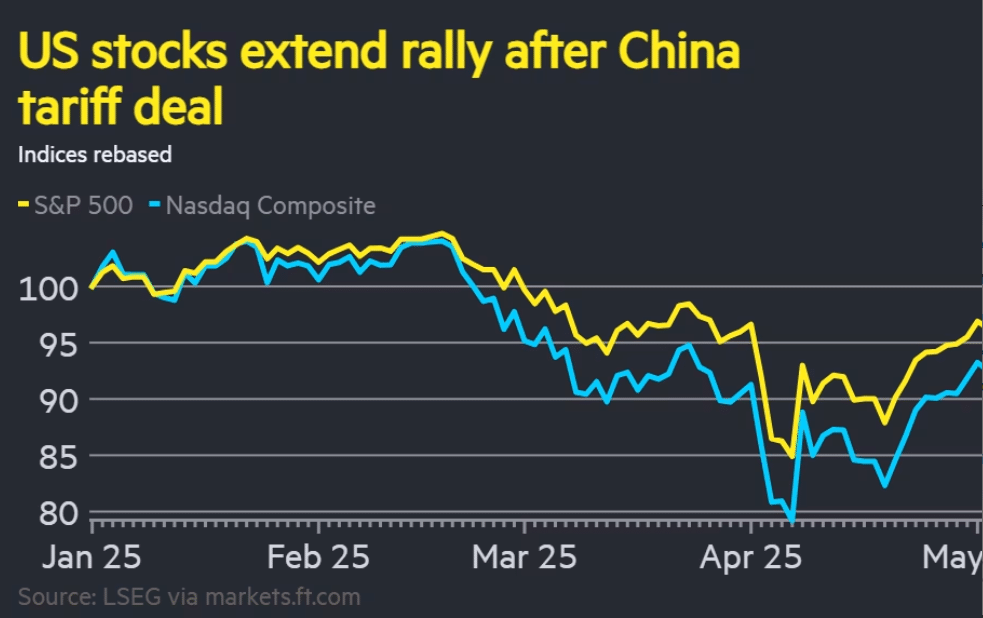
For example, when U.S stocks fall or trade tensions escalate (such as increased tariffs on China), crypto holders tend to react quite fast. When President Trump softened his stance on China tariffs, Bitcoin almost immediately rose. Even the slightest of hints of the President’s next steps could move the markets dramatically.
The SEC has increasingly categorized tokens like Solana and Cardano as crypto-related securities, which has legal and listing implications for exchanges. Such headlines alone can tank the prices of altcoins.
Example: Around the CPI release on January 15, 2025, major cryptocurrencies experienced significant losses. Top-tier tokens like Bitcoin and Ethereum dropped 5-7% in response to a global equities correction.
Exploits and Hacks
Security incidents often create panic. A large exploit, which can happen to even the largest and most popular platforms or coins, often sends prices tumbling overnight. Every hack and exploit hampers the entire industry by undermining trust, discouraging new users, and drawing regulatory scrutiny.
Example: The infamous $1.4 billion Bybit hack (Ethereum-related tokens) from February 2025 triggered over $500 million in liquidations. This dragged crypto prices down almost overnight.
Also, when Iran’s Nobitex exchange lost $100 million to hackers, this prompted internet blackouts. News like this incited mass withdrawals.
Liquidations and Whale Activity
Sometimes it is not external news, but instead it is the big players and algorithmic traders that reshuffle their crypto positions. When a crypto whale sells off their coins, or when the margin calls kick in, the automated systems designed to track whales often start dumping their crypto, creating a loop of sharp drops.
Large exchanges like Coinbase often play a role in liquidations. If whales or institutions dump assets there, it can spark a cascade of sell-offs.
Example: In February 2025, CoinDesk reported that liquidations went above $1.35 billion in the past 24 hours as a market slide worsened during a sharp sell-off.
Scams, Rug Pulls, and Meme Coins
When influencers, politicians, or celebrities hype token launches or create their own coins, prices often spike. However, they almost always crash just as fast, leaving investors in the dust with massive losses. This is why it’s so important to do your own extensive research and not just jump into the first token a celebrity or influencer endorses.
Example: When Argentina’s President promoted the $LIBRA meme coin in February 2025, its $4.6 billion valuation dropped unexpectedly. The $LIBRA Affair is a suspected rug pull.

Liquidity Events and ETF Flows
Crypto ETFs and institutional inflows and outflows can influence markets, too. When big players pull from Bitcoin ETFs like Fidelity’s FBTC or Grayscale’s GBTC, this is a sign of a shifting sentiment. Because institutional investors now control a significant portion of the liquidity of top coins like Bitcoin, their moves make waves throughout the market.
Example: In February 2025, CoinShares reported $508 million in crypto ETP outflows as investors pulled back ahead of market shifts tied to trade tariffs and policy concerns.
How to Tell Why the Crypto Market Is Down
If you are trying to figure out why the crypto market is red across the board one day after it was thriving yesterday, we have some tricks to teach you. Sometimes the reason for this is obvious, like a big hack or major economic news. Other times, it is a mix of subtle forces, or there is no clear reason in sight.
You have to understand that this is the nature of crypto. Crypto can be irrational and fast-moving, and influenced by many things happening in and outside the blockchain world.
Nevertheless, let’s take you through a proven process that you can use to investigate the situation.
1. Check Trusted Crypto News Outlets
Start with sources like CryptoNews, CoinDesk, CoinTelegraph, or Decrypt. Trusted crypto news outlets often report on real-time regulatory changes, hacks, whale moves, and macroeconomic updates. A drop in prices usually gets quick coverage on these pages.
2. Look at Market-Wide Metrics
You can use a variety of tools for your research. On CoinMarketCap and CoinGecko, for instance, you can view 24-hour price changes and volume. Look for inconsistencies and trends. Are there any particular assets that are crashing more than others?
On TradingView, you can compare Bitcoin/Ethereum price action with equities or global indexes.
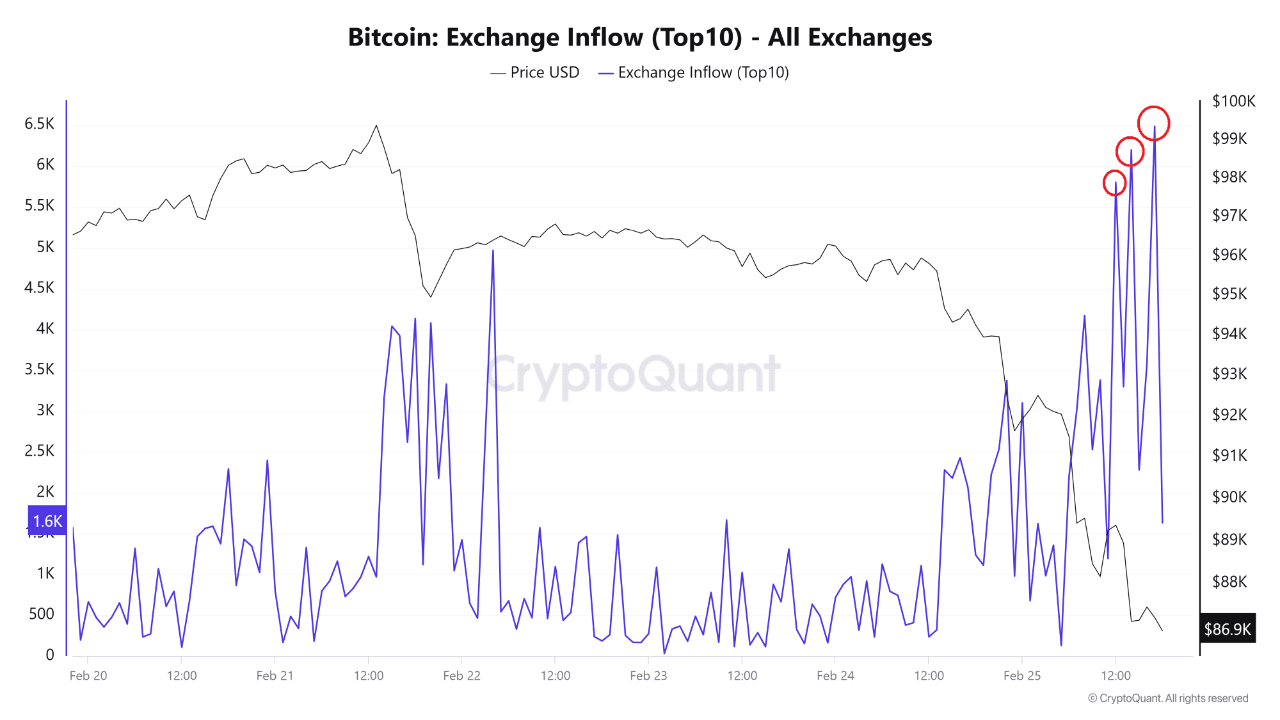
Finally, CryptoQuant or Glassnode can help you with on-chain data like large exchange inflows, which is a sign that people might be preparing to sell.
3. Check for Large Liquidations or Whale Activity
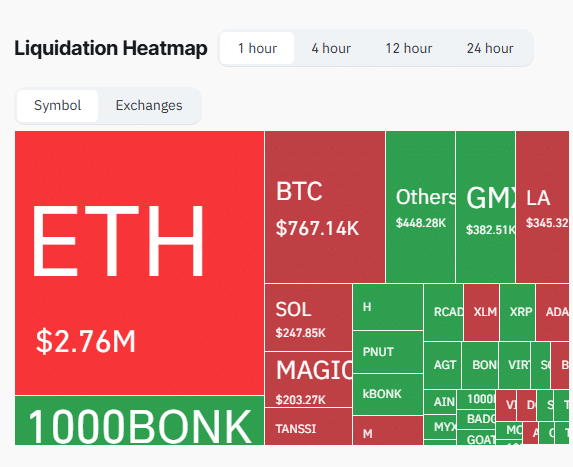
Sites like Coinglass show real-time liquidation data. If you see hundreds of millions in long positions getting wiped out, this could explain the sudden price collapse you are witnessing in your portfolio.
4. Scan Crypto Twitter (X), Reddit, and Discord
Sometimes the news will break first on social media, especially if you are dealing with smaller tokens.
However, while scouring social media pages can be useful and help you act fast, you need to be careful. Crypto social media is full of noise, unfounded rumors, and price manipulation. Don’t panic straightaway when you read that someone said “SELL!” in all caps. Do your due diligence and research more before you make a decision.
5. Zoom Out
Sometimes a downturn is just crypto being crypto. The cryptocurrency market is very volatile, and that’s not going to change anytime soon. On some days, there is no clear news that could explain why crypto is down. Maybe a project underperformed expectations, or traders are just locking in profits.
You won’t always find a satisfying cause to explain a crash. In these cases, remember that volatility is part of the game.
Conclusion
Crypto markets can fall hard and fast. Figuring out why this happened is easy in some cases, but it isn’t always straightforward. By using the right tools and sources, you can spot patterns and rule out hype and make more informed decisions about your portfolio.
Whether it is a security breach, a regulatory buzz, or just a wave of risk-off sentiment, you must keep your cool with crypto. Don’t try to guess the bottom or buy or sell purely on panic. Oftentimes, sitting tight is a strategy that works.
FAQs
Why is crypto more volatile than traditional stocks?
Crypto is more volatile because it is still a relatively new market and is lightly regulated. On top of that, it is largely driven by retail investors, and news spreads much faster in crypto.
Does Bitcoin always lead the market?
Most of the time, yes. When Bitcoin falls, altcoins usually follow, sometimes even harder. But, during certain bull runs, altcoins can decouple for short periods.
How can I protect myself from sudden drops?
You should avoid excessive leverage, diversify across assets, use stop-losses if you are trading, and keep calm.
Are hacks always reported immediately?
No. Some exploits are only discovered hours or days later, after the market has already reacted. This is why monitoring wallet activity can help. You can use tools like Arkham or Whale Alert.
How can I tell if a dip is temporary or part of a bigger trend?
There is no perfect answer, but a good place to start is the timeframe and volume. Look at how long the drop lasts and if it's tied to big news or high trading volume. Quick dips often bounce. Longer, high-volume drops usually point to bigger trends.
References
- What Is the Domino Effect in Crypto – Tokenmetrics
- Bitcoin Drops to $82K as Traders Flee Risk Assets Amid Macro Worries – CoinDesk
- House Republicans Plan Crypto Week Votes – WashingtonPost
- U.S.-China Trade War As It Happened – FT
- Bitcoin, Solana, Ethereum Tumble – CryptoNews
- Market Crash Triggered by Largest Hack in History – CoinCentral
- Iran’s Crypto Exchange Loses $100M to Hackers, Sparking Internet Blackouts – NYPost
- Bullish Crypto Bets Lose $1.2 Billion as Bitcoin Fumbles – CoinDesk
- The $LIBRA Affair – TRMLabs
- Crypto ETPs Face $508M Outflows as Bitcoin ETFs Lose $571M – FXLeaders