
JPYR is a Japanese Yen-pegged stablecoin designed for the international market. Built on the Ethereum blockchain, the token offers a decentralized hedge against USD volatility and unlocks yield opportunities that are otherwise inaccessible to global traders. Our JPYR review explains everything you need to know about this emerging asset.
Our methodology ensures accurate findings by drawing on our research into the project’s whitepaper and experiencing the ecosystem. We focused on the trading and use experience, especially when using the IZAKA-YA wallet, which works as an excellent hub for JPYR storage and lending.
Key areas we explore include the pegging mechanism, the distinction between domestic and global stablecoins, and which investor profiles are best suited to JPYR. Read on to decide whether JPYR is the right stablecoin for your portfolio.
JPYR Review Key Takeaways
During our research, we concluded that JPYR is currently the most viable contender for the “global standard” of on-chain Japanese Yen. Unlike domestic competitors, which are heavily regulated and often restricted to Japanese residents, JPYR works well across DeFi and can be seen as an offshore, global standard for Yen access.

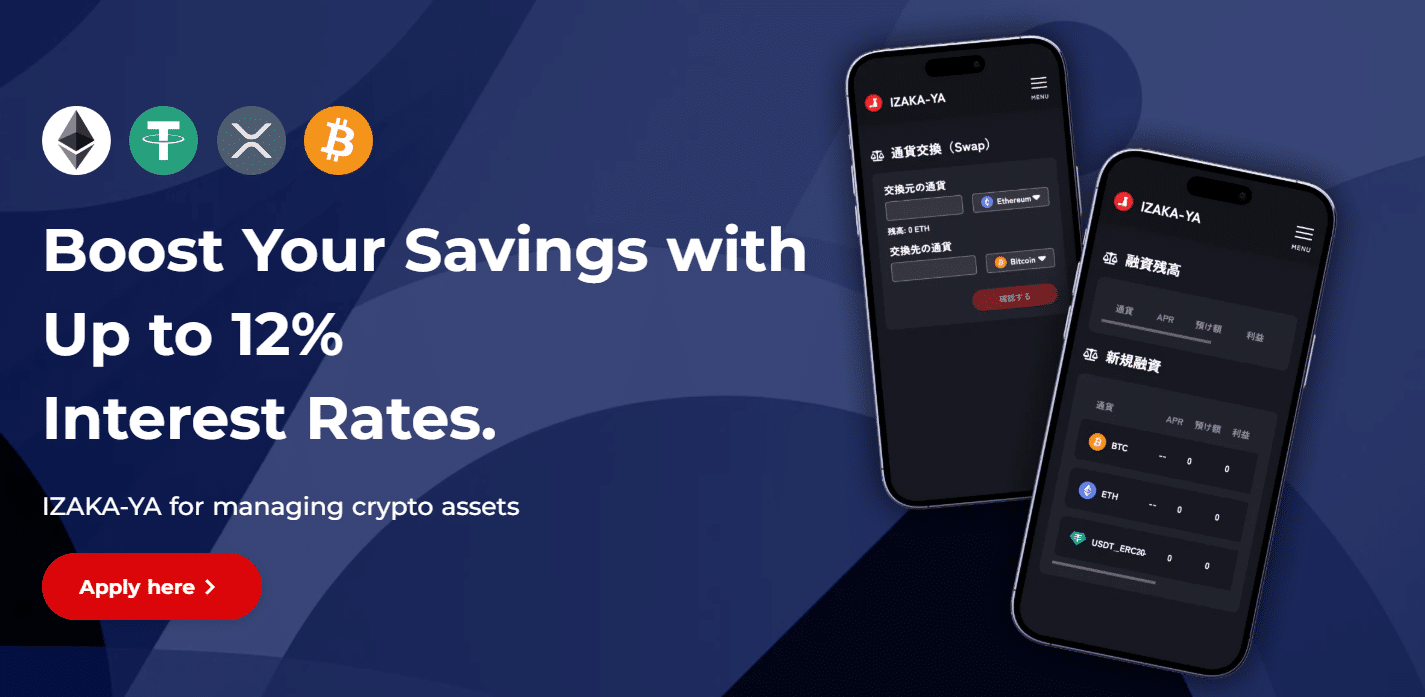
The ecosystem has a great asset in the IZAKA-YA wallet. This non-custodial wallet allows users to swap assets and access lending pools with yields as high as 12% – significantly higher than traditional Japanese banking rates.
The biggest takeaway is that JPYR sits well between Japanese TradFi liquidity and global DeFi markets. It allows international users to execute on-chain carry trades and hedge against currency risk without opening a Japanese bank account.
Here are the project’s key takeaways:
- Global Access: A JPY-pegged asset available to international users.
- High Yields: The IZAKA-YA wallet offers up to 12% APY through decentralized lending pools.
- Reserve Backing: The whitepaper calls out a 100% reserve backing with real assets to maintain the 1:1 peg.
Pros & Cons of JPYR Stablecoin
Besides providing a hedge against the U.S. Dollar, which, by some reports, declined by 9% in 2025, JPYR lets users diversify their portfolios by holding a stable asset linked to the Japanese economy. Through the IZAKA-YA wallet, traders can then lend their JPYR to earn interest from traders looking to short the Yen.
JPYR could improve in certain areas, specifically liquidity. Trading volumes on centralized exchanges are currently modest, and we would like a way to verify asset ownership in the future.
Pros
- Access Japanese Yen exposure without a domestic bank account
- Earn up to 12% APY via lending on the IZAKA-YA wallet
- Hedge against USD volatility and exchange rate fluctuations
- Supports non-custodial ownership on the Ethereum blockchain
- Roadmap includes expansion to Solana, BNB Chain, and Base
- Liquidity is lower compared to major USD stablecoins
- Users must rely on the issuer’s stated adherence to the whitepaper for reserve data
- Trading pairs are currently limited to a few exchanges
What is JPYR?
JPYR is a stablecoin asset that runs on the Ethereum blockchain (with expansions planned in the future). Its primary function is to maintain a 1:1 peg against the Japanese Yen. Unlike domestic options, which are often regulated as Prepaid Payment Instruments and restricted to Japanese residents, JPYR is designed for the global crypto economy.
The demand for a Japanese stablecoin has surged following the FSA’s launch of a dedicated Stablecoin Division in early 2026. JPYR looks to be the solution for international traders who need to hold Yen “on-chain” without the friction of legacy banking systems.
To achieve its peg, the project operates on a collateralized model. The whitepaper, available on the JPYR official site, states that for every JPYR token in circulation, the protocol holds equivalent value in reserves, likely JPY and cash equivalents. This infrastructure ensures holders can redeem tokens for value, though the project currently operates in a regulatory “gray zone” that benefits users by avoiding stifling restrictions.
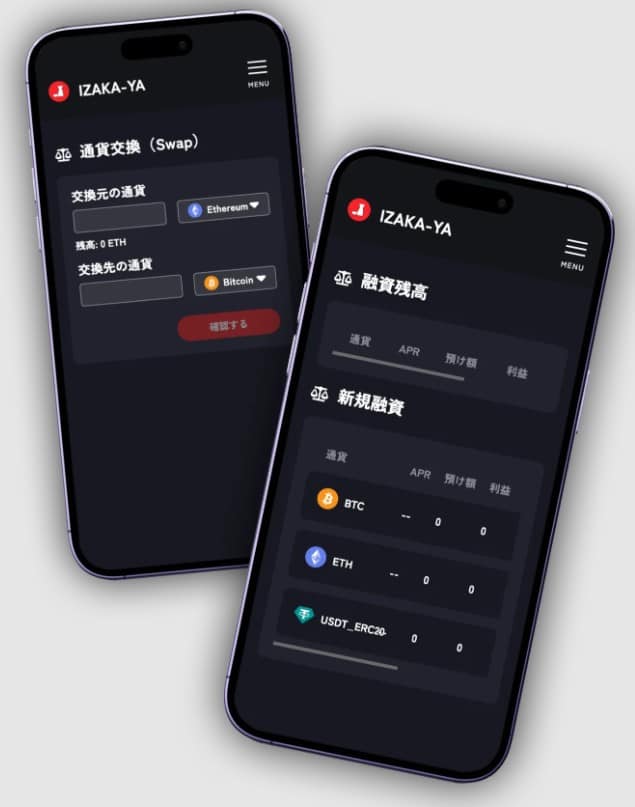
JPYR meets investor needs by integrating with the IZAKA-YA ecosystem. While the token can exist in any ERC-20 wallet, IZAKA-YA provides the native environment for maximizing use, offering swaps and lending interfaces that turn the stablecoin into an income-generating asset.
Safety: Is JPYR Regulated?
JPYR aims for the international market. It complies with necessary anti-money laundering (AML) standards and claims a 100% reserve backing model, with every token backed by liquid assets. Without live proof feeds, users will need to rely on the issuer’s self-reported adherence to these claims.
The stablecoin uses the security of the Ethereum blockchain, with transactions verifiable on the public ledger. Users who store JPYR in the non-custodial IZAKA-YA wallet retain full control of their private keys, eliminating the counterparty risks associated with centralized exchanges or banks.
JPYR Services & Ecosystem
JPYR offers specific crypto-related services focused on stability and yield. Traders can use JPYR as a stablecoin like they do USDT and USDC, letting them capitalize on new trading opportunities without volatility risks.
Meanwhile, the IZAKA-YA wallet allows users to deploy their JPYR into lending markets. Because JPYR can be used across the broader DeFi ecosystem, holders can supply JPYR to lending protocols to earn interest.
In addition to individual use, JPYR serves as a tool for “carry trades.” Investors can borrow low-interest Yen assets to fund high-yield strategies elsewhere, a strategy that has become increasingly popular as the market for JPY-pegged assets increases.
Available Assets & Pairs
JPYR’s asset availability is focused on its primary peg, but it interacts with the broader crypto market through trading pairs. On some exchanges, JPYR is available in spot trading pairs including JPYR/JPY and JPYR/USDT.
On decentralized exchanges (DEXs) like Uniswap, JPYR can be swapped for other ERC-20 tokens. The project roadmap indicates future expansion into additional networks, such as Solana, BNB Chain, and Base, which will likely increase the variety of available pairs and liquidity pools.
| Supported Cryptocurrencies | JPYR (ERC-20) |
| Crypto Trading Products | Spot trading, lending, liquidity provision |
| Non-Crypto Assets | Pegged to JPY (fiat) |
| Pair Denominations | USDT, JPY |
| Lending APY | Up to 12% (via IZAKA-YA) |
Key Features of JPYR
In this section of our JPYR review, we highlight the project’s key features.
IZAKA-YA Wallet Integration
The IZAKA-YA wallet is our recommended interface for JPYR holders, partly for security features like biometrics, but more importantly for simplifying the DeFi experience. Users can manage JPYR alongside standard assets like BTC and ETH, and access the “Lend” tab to generate yield.
High-Yield Lending
Through the IZAKA-YA ecosystem, JPYR holders can access lending markets with APYs reaching up to 12%. By supplying JPYR to borrowers, users earn interest on their holdings, which turns the stablecoin from a passive store of value into an active income generator, significantly outperforming traditional Yen savings accounts.
Global Standard for JPY
JPYR targets the global market. While many JPY stablecoins are ring-fenced for domestic use, JPYR is designed to be the standard for international traders. If you are a trader in London or New York, JPYR is likely your only viable entry point into on-chain Yen liquidity.
USD Hedging
Holding JPYR acts as a diversification tool. With the U.S. Dollar facing volatility and declining 9% in 2025, holding a portion of a portfolio in a JPY-pegged asset preserves purchasing power relative to the USD.
How to Buy & Store JPYR
If, after reading this JPYR review, you wish to join the ecosystem, follow the step-by-step guide below.
1: Download the IZAKA-YA Wallet
You need a safe, non-custodial cryptocurrency wallet to store JPYR tokens. We suggest the IZAKA-YA DeFi ecosystem. Visit the IZAKA-YA website and sign up by entering your email address. It takes minutes to set up.
Step 2: Swap or Lend via IZAKA-YA
After topping up your wallet, you can use the Swap section of the IZAKA-YA ecosystem to trade between assets. More importantly, you can navigate to the “Lend” tab.
From here, users can deposit their crypto assets and earn up to 12% daily interest. Choose ‘New Lending’ next to JPYR, confirm the subscription amount and duration (minimum 30 days), and confirm the transaction.
Conclusion: Is JPYR a Good Stablecoin?
JPYR excels in providing global access to the Japanese Yen. The project sits well between traditional finance and the crypto economy, offering a stable asset that can be used for hedging, remittance, and DeFi yield generation.
The integration with the IZAKA-YA wallet is a significant advantage, offering users a way to lend their assets and earn competitive returns. While liquidity is currently lower than massive USD stablecoins, JPYR is the clear leader for those specifically seeking JPY exposure outside of Japan.
Methodology: How We Conducted Our JPYR Review
As with all reviews, the research team tested JPYR with a funded account to explore the end-to-end experience. We evaluated the purchasing process on BTSE and the storage and lending capabilities within the IZAKA-YA ecosystem.
We also analyzed JPYR’s whitepaper and available documentation to verify its pegging mechanism and reserve claims. We checked on-chain data on Etherscan to confirm the token supply (approx. 10 billion) and contract details.